
ZHUOHENG / COMMERCIAL PASTA EQUIPMENT
Pasta machine for food shops: build a manageable batch plan
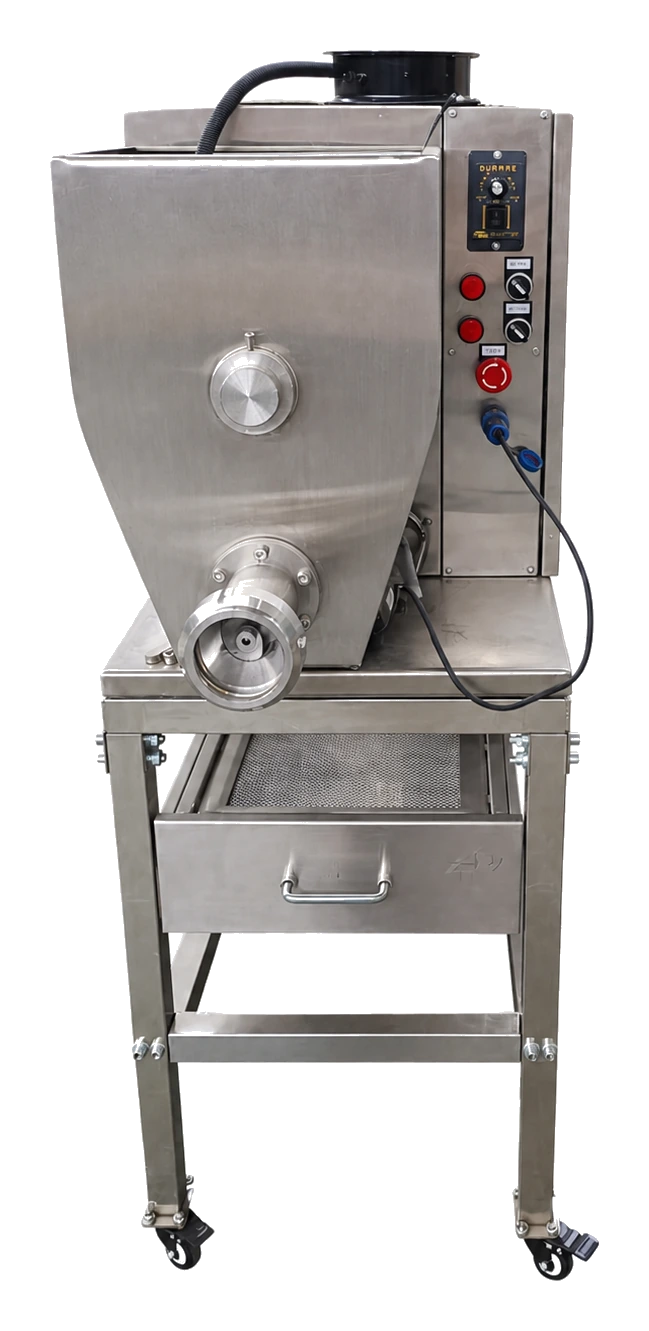
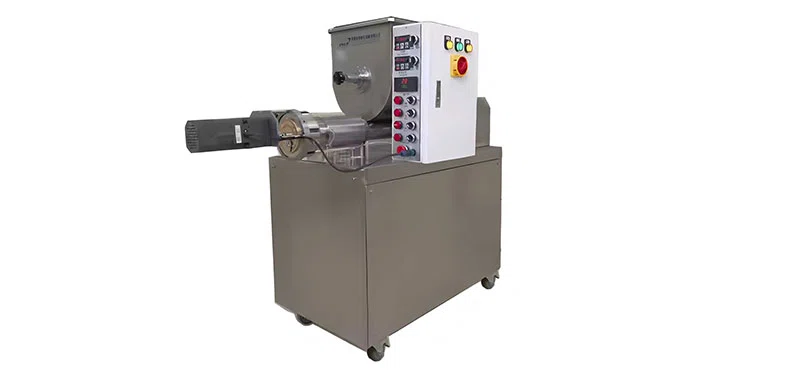
A pasta machine for food shops needs to support the products customers buy and the batches your team can manage. Define the shapes, pack sizes and sales route before comparing equipment. Zhuoheng offers 15 kg/h and 40 kg/h compact configurations for review. Direct-sale pasta, chilled packs and dried products create different handling and supporting requirements. Share normal demand, peak demand and available production time so the machine, molds and any separate options can be considered around one practical daily plan.
Begin with the sales format
Explain whether customers will receive pasta for direct use or as a packaged product. Record the shapes and intended pack sizes. The forming stage is only part of the workflow; handling, storage, drying or packing arrangements depend on the product and sales route.
Discuss these requirements before treating an extruder quotation as a complete retail setup. Packaging choices and product storage conditions need their own review. The machine capacity alone does not establish shelf life or the quantity ready for sale.
Build batches around demand and changeovers
Record how many kilograms of each shape you expect to sell on normal and busy days. Allow time for mixing, mold changes, cleaning, collection and packing. Keep the number of initial shapes manageable so that smaller orders do not consume the whole production window.
Compare 15 kg/h and 40 kg/h against available forming time and the downstream pace. Trial-confirmed performance with the target product is needed to turn a capacity option into a useful batch estimate.
Confirm molds, workspace and power
Send a product photo or sample with dimensions and cut length. Identify the flour and recipe status, and ask how each mold matches the selected machine and cutting arrangement.
Map space for ingredients, the machine, collection trays and the next handling step. Provide voltage, phase and frequency. Request confirmed dimensions and weight for the quoted specification, and review cleaning access before deciding where the machine will stand.
Request an itemized configuration
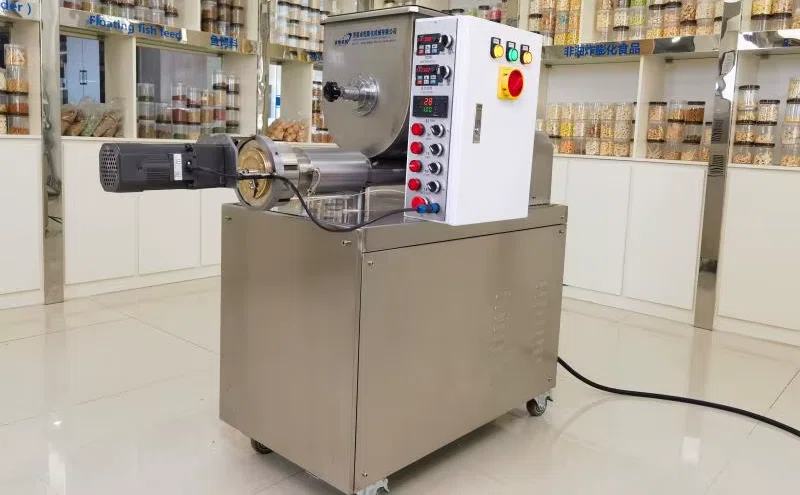
Ask the quotation to separate the machine and included tooling from additional mixing, drying or packing support. Confirm mold quantities, accessories, packing, delivery destination and service arrangements. A clear scope helps you compare suppliers without assuming that a picture of a workshop shows everything included.
- Product photo, shape list and intended pack sizes
- Normal and peak demand by product
- Available batch and packing time
- Power supply, workspace and destination
Questions before you choose
Should I choose 40 kg/h because the shop sells packaged pasta?
The sales format affects downstream handling, but it does not select the machine by itself. Daily demand, forming time, recipe, shape changes and the pace of packing should be considered together.
Is drying included with the compact machine?
Drying support is evaluated separately where the target product requires it. Ask for the equipment scope and process requirements in the written quotation.
Plan My Food Shop Setup
Send your target shape, normal and peak daily demand, available production time and destination. We will review the machine and mold scope with you.