A small pasta business needs a dryer only when its product and sales route require a controlled drying stage. A restaurant or shop producing pasta for near-term cooking can often plan around fresh production, cold handling and short production cycles. A business intending to sell packaged dry pasta needs a separate drying, cooling, packaging and product-validation plan.
The extruder alone does not decide which route is correct. Product format, sales channel, holding time, local food rules, available space and the buyer’s quality controls all matter. This guide helps a small operator decide which questions belong in the equipment RFQ. It does not set a universal shelf life, drying recipe or food-safety result.
Start With How the Customer Receives the Pasta
The simplest decision is commercial: will the customer receive pasta made for near-term preparation, or a packaged dry product intended for storage and distribution?
| Business route | Typical equipment discussion | Main planning burden |
|---|---|---|
| Restaurant or open kitchen | mixing, extrusion, cutting and service workflow | timing, sanitation, cold handling and menu demand |
| Local fresh-pasta shop | compact production, portioning and suitable packing | daily schedule, holding conditions and local delivery |
| Packaged dry pasta | extrusion plus controlled drying, cooling and packing | process validation, space, utilities, packaging and compliance |
| Mixed fresh and dry products | separated schedules and clearly defined downstream paths | changeovers, records and preventing route confusion |
Fresh and dry are not quality grades. They are different production and distribution systems. A shop can make an excellent made-for-service product without buying an industrial drying line, while a packaged dry product cannot be planned responsibly by leaving pasta on trays and assuming the outcome will be consistent.
When a Fresh-Production Route May Fit
A fresh route may fit when production is tied closely to daily orders, the product is cooked or sold soon after production, and the business has appropriate handling and local compliance procedures. In this case, the buyer’s equipment discussion can focus on batch preparation, extrusion, cutting, mold changes, cleaning, portioning and the movement of product into service or packing.
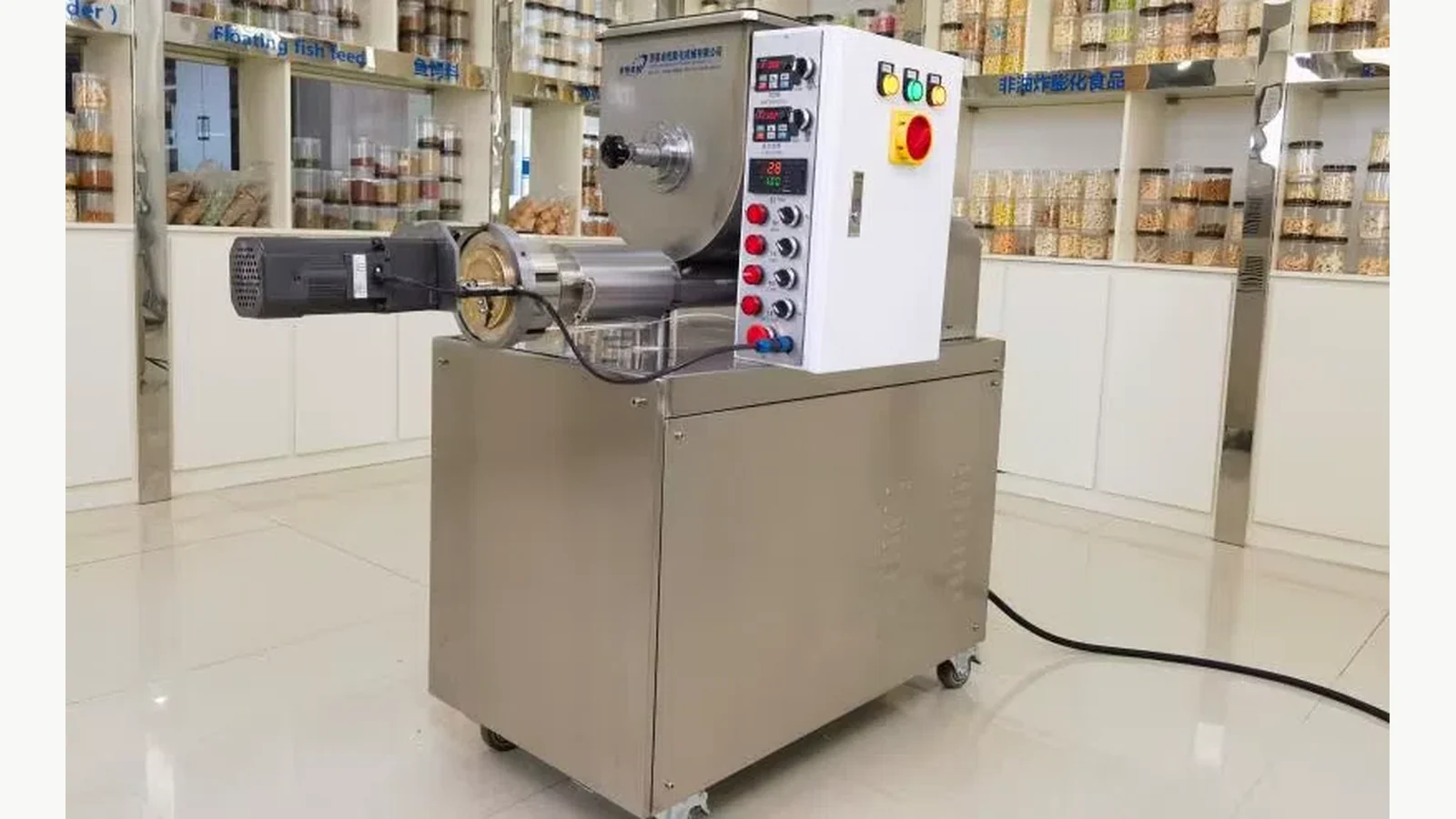
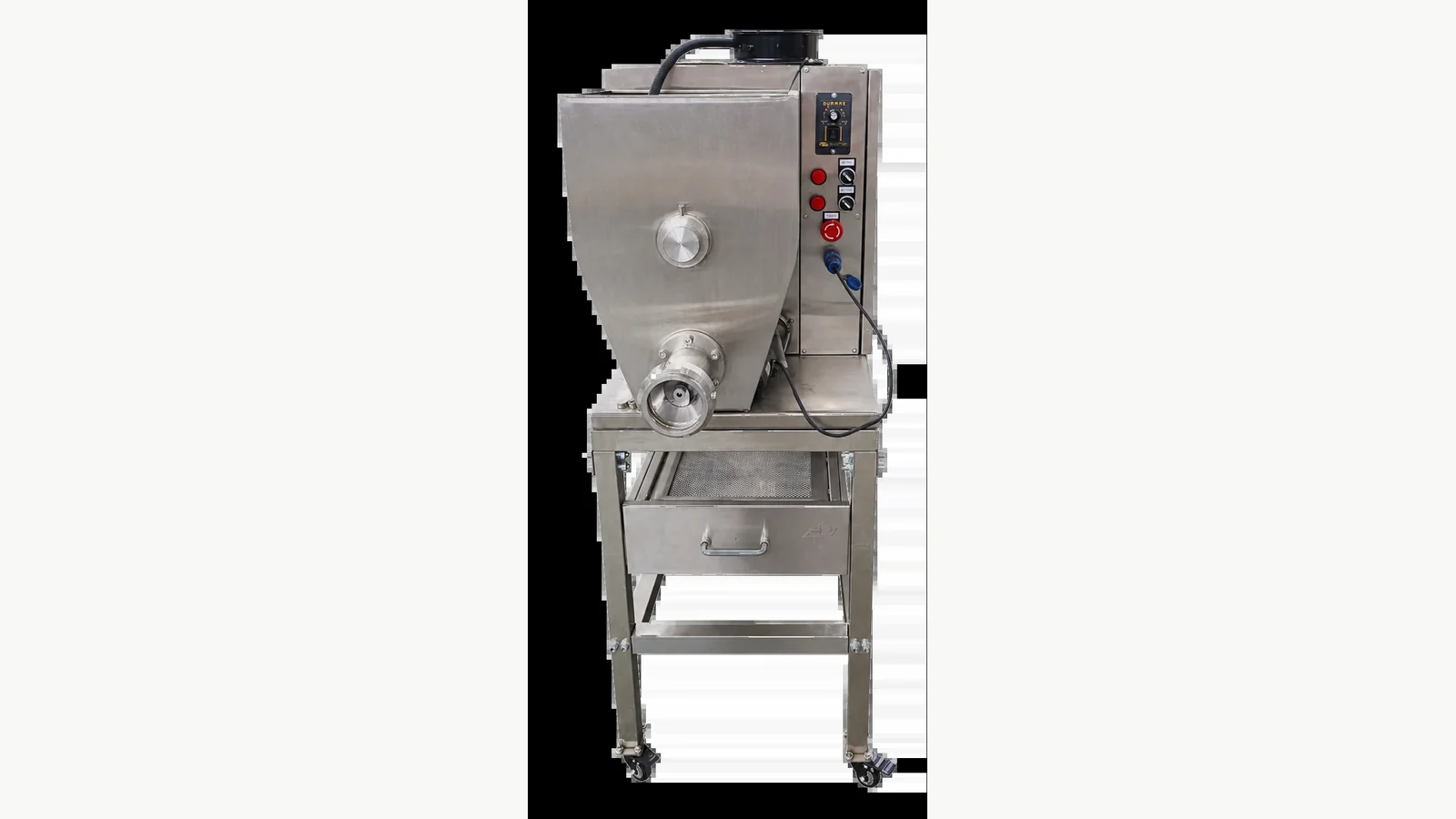
Zhuoheng’s confirmed 15 kg/h compact machine is intended for restaurants, food shops and startup-scale production. Its output reference is useful for planning, but the exact model designation, power, dimensions and weight are not confirmed in the current knowledge base and should be requested for the offered configuration.
The 15 kg/h pasta machine page is the primary equipment reference for a small buyer. Compare it with the 15 kg/h versus 40 kg/h guide when daily demand begins to exceed a small-batch schedule.
When Drying Becomes a Separate Project
Drying becomes necessary when the planned product route specifically requires a dried product before packing. That decision expands the scope beyond a compact extruder. The buyer must define how shaped pasta is loaded, dried, cooled, inspected and packed, and how each stage fits the available room and production schedule.
The dryer should be discussed as a controlled process stage, not a generic accessory. Product shape, wall thickness, raw materials, batch size and the required finished condition influence the review. A setting used for one shape cannot automatically be applied to every mold or formula.
Ask for a configuration only after the following are clear:
- exact pasta samples or dimensioned product images;
- raw-material specification and formula status;
- fresh, semi-dried or dried product intention, using the buyer’s defined route;
- batch size and production frequency;
- intended cooling and packing method;
- available voltage, frequency, phase and heating source;
- room dimensions, drainage and service access;
- buyer-defined product checks and local compliance requirements.
Avoid the Most Common Scope Mistake
The common mistake is to request “one small pasta machine” while expecting it to deliver a packaged dry product. Extrusion forms the pasta. It does not replace downstream drying, cooling, packing or the product-validation work required by the business.
The opposite mistake is buying drying equipment before confirming the sales route. If the business primarily serves fresh pasta in a restaurant, the space, utility and operating burden of a drying stage may not support the actual workflow. The right question is not whether dryers are generally useful; it is whether the product sold by this business needs that process.
Match Output to the Downstream Route
A confirmed 40 kg/h compact machine is another reference for a larger small-production requirement. The public ZHK reference is listed at 30–40 kg/h, 2.75 kW and 1300 × 650 × 1200 mm, but the relationship between a quotation and that exact reference should be confirmed before those details are treated as the ordered specification.
If the route includes drying, the downstream equipment has to accept the planned output and schedule. A small extruder operated intermittently may call for a different handling plan from a machine feeding multiple batches throughout the day. Record saleable demand, productive hours, number of shapes and changeover time before selecting capacity.
The 40 kg/h pasta machine page provides the larger reference, and the compact pasta machine price guide explains why downstream equipment and services change the quotation boundary.
Treat Molds and Product Mix as Operating Decisions
One compact machine can support a product range through different molds, but every shape is not automatically the same process case. Record which shapes are routine, which are seasonal and how frequently changes occur. Include samples or dimensional references in the request.
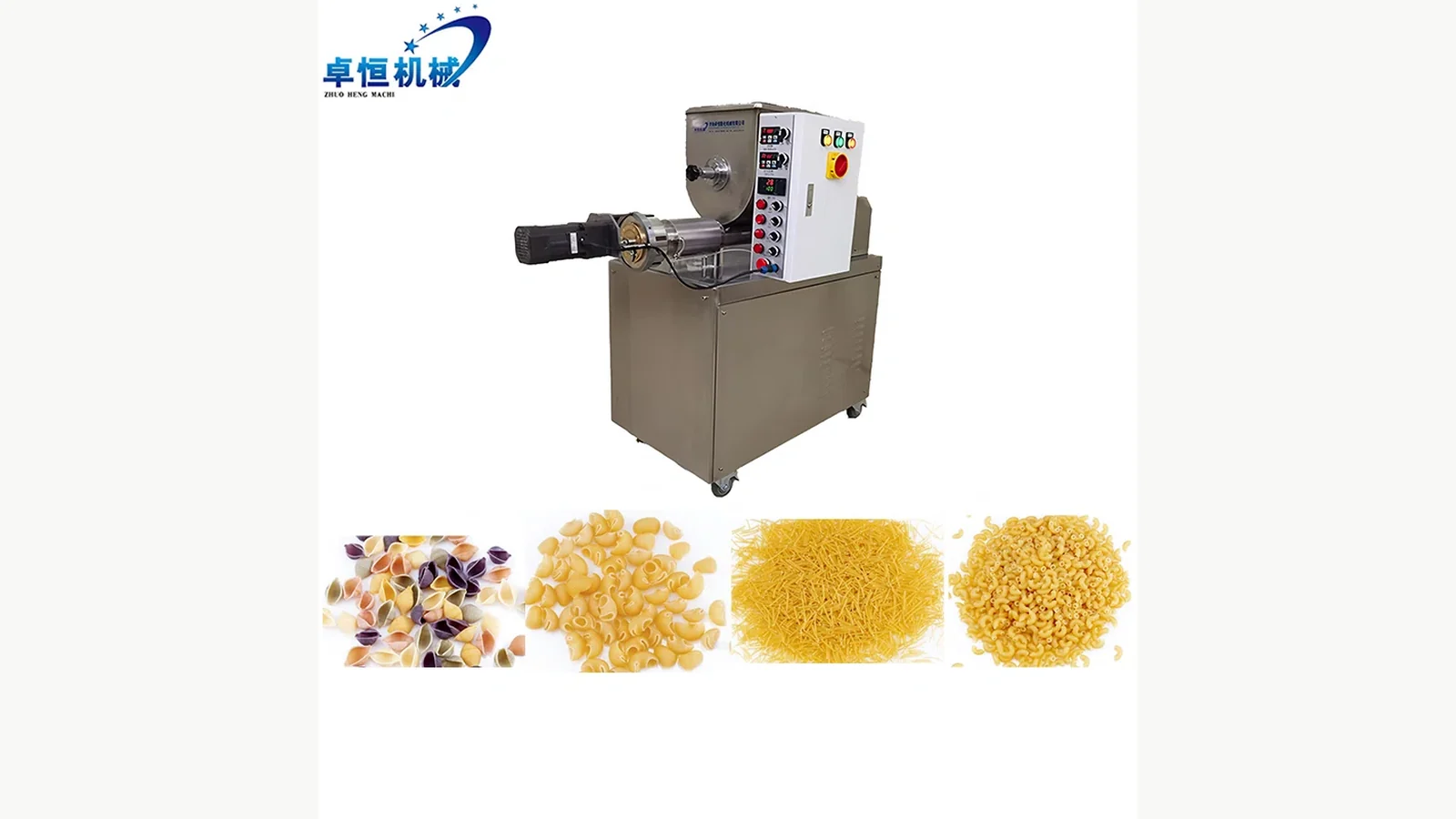
Review the mold and shape options in the context of the chosen fresh or dry route. Shape selection affects cutting and handling, while a dry-product plan adds separate process questions. The mold catalog should not be read as a guarantee that every shape uses one recipe or drying condition.
A Simple Dryer Decision Checklist
Choose the route by answering these questions in order:
- Is the product made for near-term cooking or for packaged storage and distribution?
- Which exact shapes and raw materials will be used?
- What daily saleable quantity and operating schedule are realistic?
- Does the room have space and utilities for a separate drying and cooling stage?
- Who defines and verifies the product condition after processing?
- Which local food, labeling and packaging requirements apply?
- What equipment, services and site work belong in the supplier’s scope?
If the answer to the first question is near-term cooking, start with the fresh-production workflow and validate handling locally. If the answer is packaged dry pasta, include drying from the beginning rather than adding it after the extruder has been ordered.
RFQ Information for a Small Pasta Project
Send the supplier:
- product samples, shapes and dimensions;
- raw materials and formula status;
- fresh or packaged dry sales route;
- target hourly and daily output;
- operating days, hours and product-change schedule;
- voltage, frequency and phase;
- available room dimensions and utilities;
- required molds, cutter, mixer, drying support and packing interface;
- destination and requested supply boundary.
Use the quote page to submit the brief. Zhuoheng can then discuss the 15 kg/h or 40 kg/h reference and any drying support as separate, visible parts of the project rather than assuming one universal small-pasta configuration.