
A restaurant and a small packaged-pasta workshop can buy a machine with similar hourly output and still need very different projects. The restaurant may use pasta fresh, change shapes often and value a compact cleaning routine. The workshop may need drying, cooling, packing and a longer operating schedule. A useful compact pasta machine price must identify which of those requirements it includes.
The confirmed Zhuoheng range for this site includes 15 kg/h and 40 kg/h options. They are commercial machines, not household appliances, and they are separate from 100 kg/h or larger industrial macaroni lines. This guide focuses on quotation scope rather than repeating the detailed 15-versus-40 capacity decision.
Fix the Use Case Before Requesting a Price
Start by describing what happens to the pasta after it leaves the machine:
- served or sold fresh on the same day;
- chilled for short local distribution;
- dried for packaged sale;
- made in one shape or changed between several molds;
- produced in short restaurant batches or longer workshop runs.
Those choices affect the cutter, molds, mixer, handling surfaces, dryer discussion and packing interface. They also affect the questions a supplier should ask about room layout, cleaning and staff workflow.
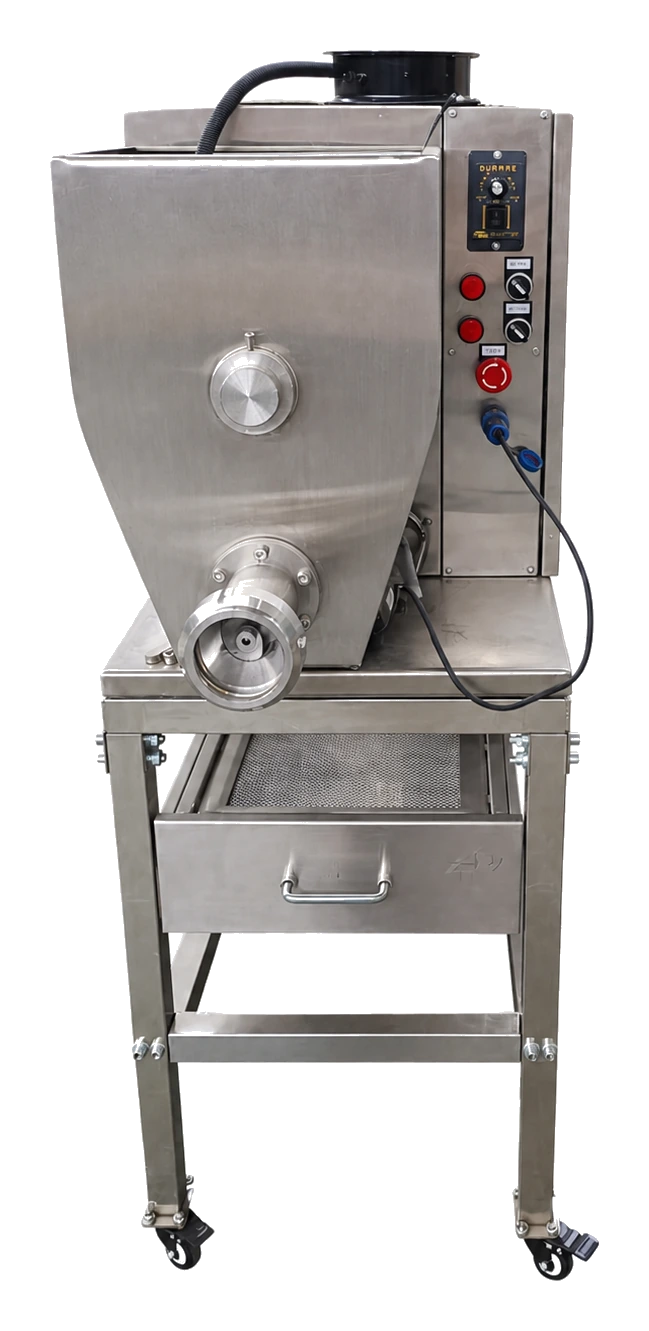
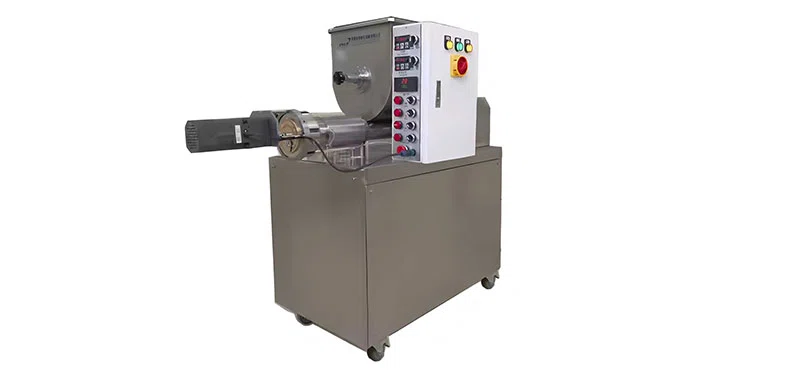
For low-volume trials or restaurant use, review the exact 15 kg/h compact commercial pasta machine. Its confirmed output is 15 kg/h, while model name, power, dimensions and weight are not currently recorded in the approved knowledge file. They must be confirmed in the current proposal instead of copied from another machine.
Separate the Base Machine From the Working Package
A compact-machine quotation should show what is physically delivered with the base unit. Ask for a line-by-line answer covering:
| Quotation field | What to confirm |
|---|---|
| Main machine | Exact model, confirmed reference output and product-contact scope |
| Standard die/mold | Quantity, target shape, dimensions and material |
| Cutter | Included type and compatible length range for the agreed product |
| Controls | Voltage, frequency, plug or connection requirement and control language |
| Accessories | Tools, removable parts and startup items supplied with the machine |
| Documentation | Manual, wiring information, packing list and product-specific records |
| Spares | Included consumables and recommended optional spare list |
| Packing | Export packing method, package count, dimensions and gross weight |
“Machine price” can mean the bare extruder, or it can include several molds, a cutter and export packing. Keep these rows separate so a lower total does not hide missing startup items.
Treat the 40 kg/h Option as Its Own Product Record
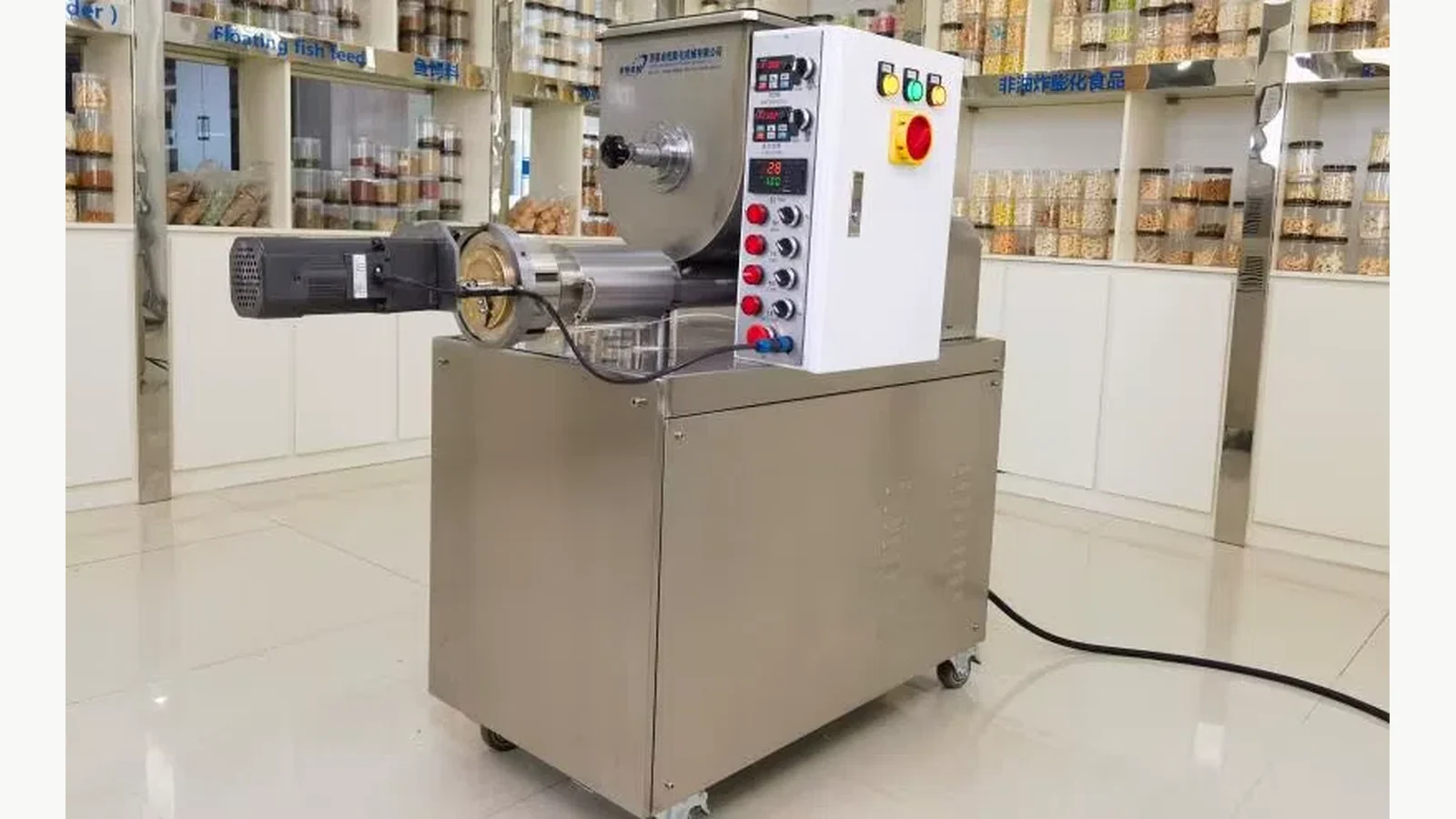
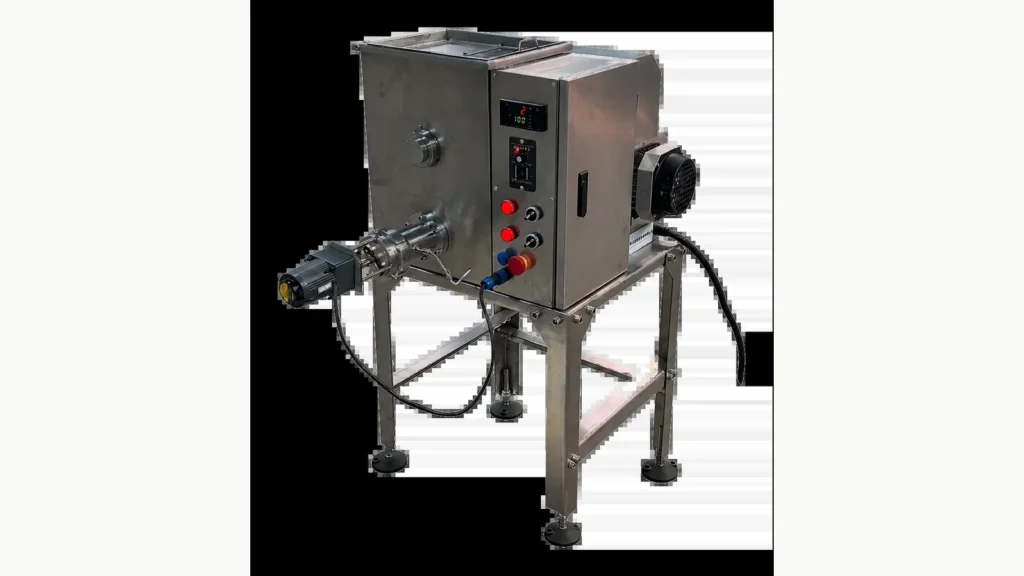
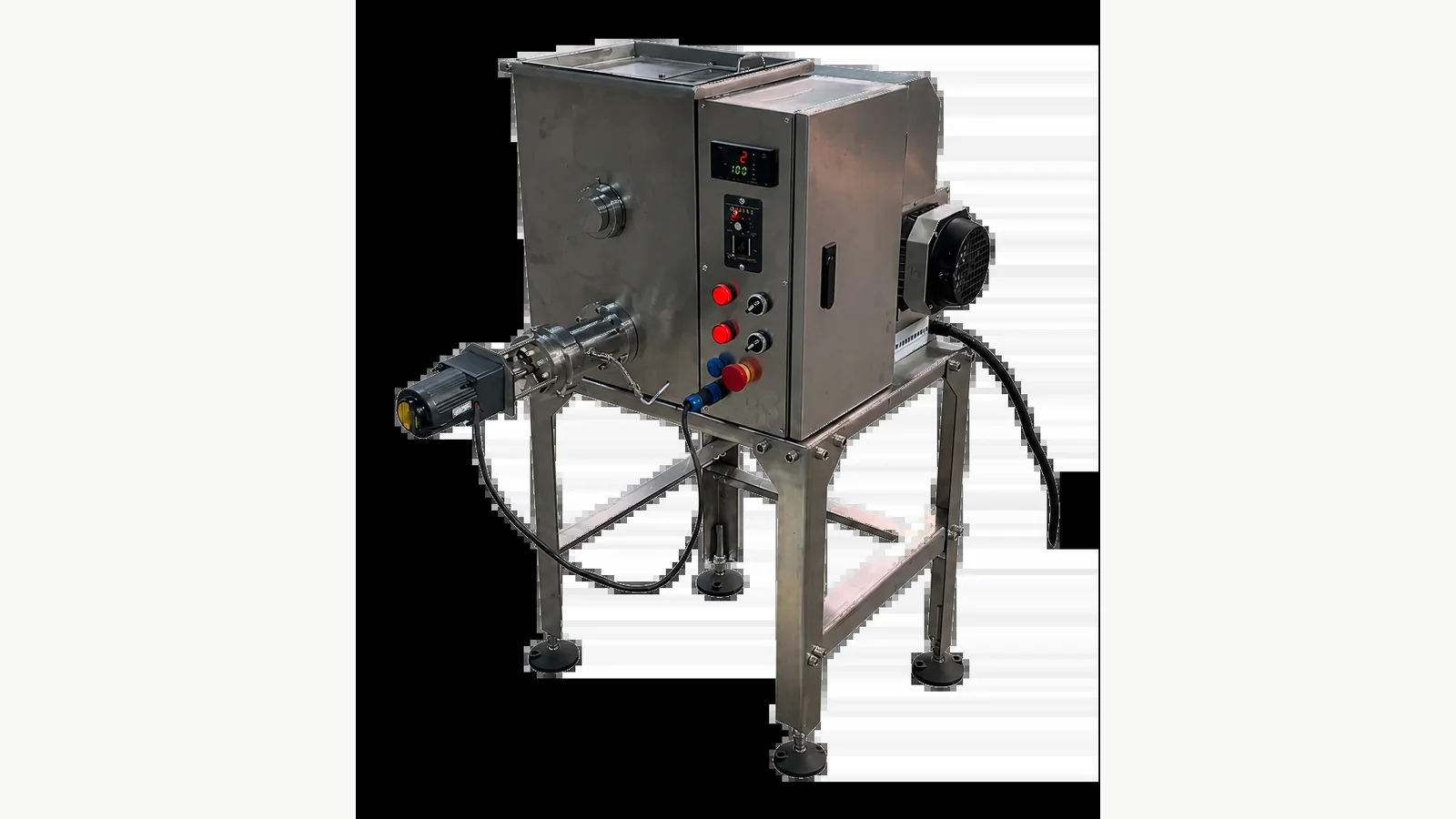
Growing food shops and small workshops can review the exact 40 kg/h compact pasta extruder. The company confirms a 40 kg/h option. The current site also records a ZHK 30–40 kg/h reference configuration with 2.75 kW and dimensions of 1300 × 650 × 1200 mm.
That reference should not be applied automatically to every 40 kg/h offer until the exact relationship is confirmed. Ask the quotation to state the current model, output basis, power, dimensions and included accessories on one revision. Avoid combining the capacity of one product record with the technical parameters of another.
The 15 and 40 kg/h choices should be compared using real productive demand, batch pattern and downstream handling. Once that selection is complete, this article's scope sheet can be used to compare the cost of equivalent offers.
Mold Quantity and Shape Approval Change the Startup Cost
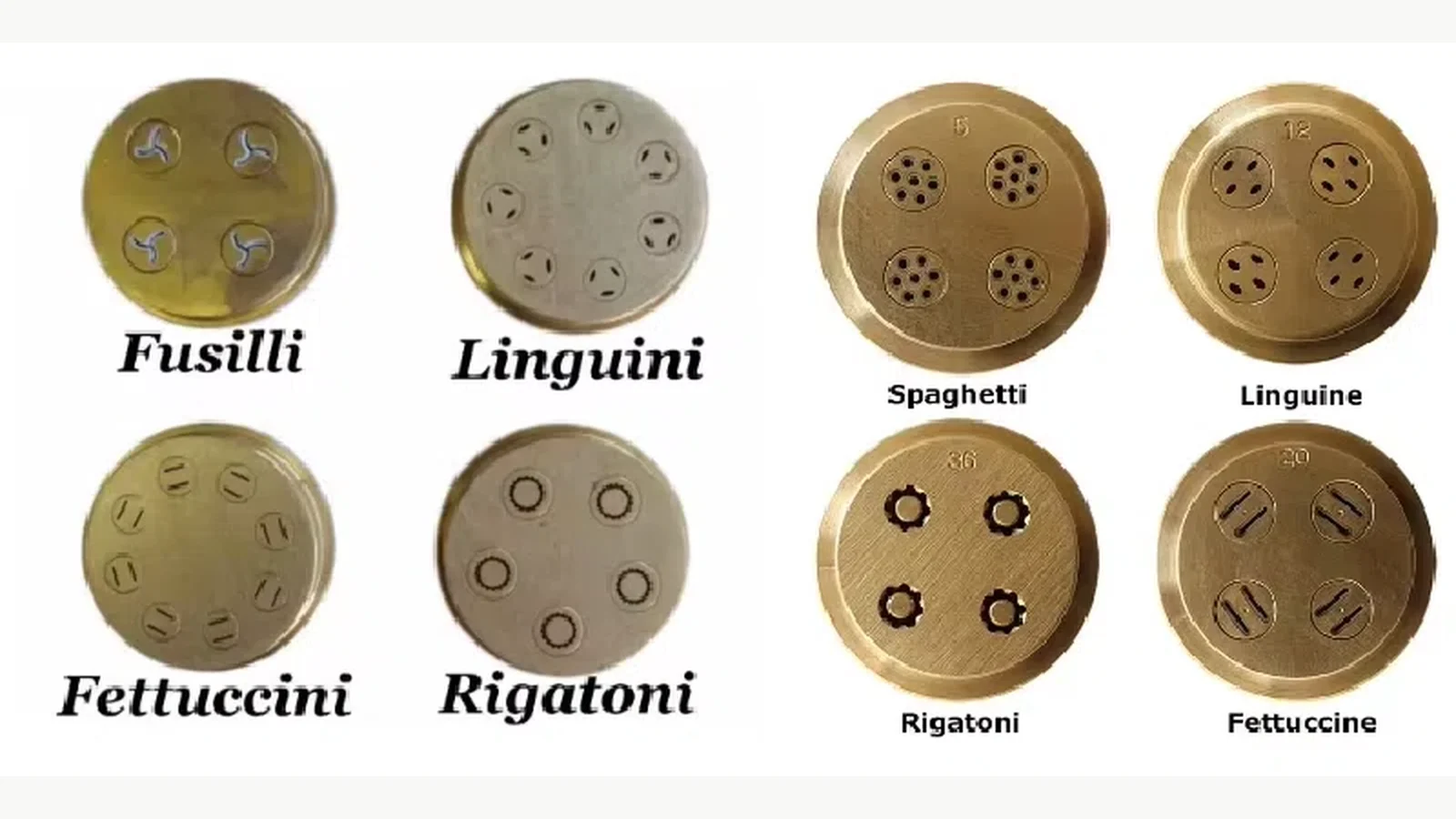
One standard mold and a multi-shape startup set are different quotations. List every requested shape and send a front view, side view, dimensions or sample. The supplier should confirm compatibility before final mold production.
Profile names alone are not enough. Two buyers may use the same name for different outside diameters, wall thicknesses or cutting lengths. Formula and fresh-or-dried route also matter. Treat the approved shape drawing or sample as the commercial reference and identify which molds are included, optional or planned for a later order.
The compact pasta mold options page can help organize the request, but visible examples are not a guarantee that every shape runs on every machine without technical review.
Fresh and Dried Products Need Different Supporting Scope
Fresh service can be relatively direct: collect the extruded product, control portions, cook or chill it, and clean the equipment between batches. A dried packaged product adds a much larger process question. Drying has to suit the shape, wall thickness, formula, batch size and desired handling result.
A supplier may quote a compact mixer, small dryer, trays, racks, cooling surface or other auxiliary equipment as options. Mark each item clearly. If the buyer already has suitable preparation, drying or packing equipment, record the required interface instead of paying for a duplicate.
No quotation should imply that one dryer setting works for every shape. Product trials and confirmed operating guidance are needed. Likewise, a machine output figure should not be treated as the finished packaged output of the entire room when drying, cooling or labor is slower.
If you have not chosen the final product route, use the small pasta dryer decision guide before comparing optional drying equipment.
Add Destination and Buyer-Side Costs
The total project budget can extend beyond the supplier's equipment price:
- voltage or electrical adaptation;
- export packing and crate dimensions;
- inland transport, freight and insurance under the agreed term;
- import duty, tax and customs handling at destination;
- unloading and movement into the production room;
- tables, sinks, drainage, ventilation and cleaning arrangements;
- local electrical connection and any required protection devices;
- installation support, remote guidance or on-site service boundary;
- raw material and labor for acceptance trials;
- packaging equipment and food-business compliance work managed locally.
These items vary by destination and business. Instead of asking a supplier to hide them inside a guessed total, request a clear supply boundary and build the local costs beside it.
If the output option is still open, compare the 15 kg/h and 40 kg/h compact pasta machine options against daily demand, productive hours and the fresh or dry workflow before ranking machine prices.
Compare Quotations With One Normalized Matrix
Create one sheet with a column for each supplier and the following rows:
- exact machine and confirmed output;
- included mold count and cutter;
- fresh or dried product route;
- optional mixer, dryer and handling equipment;
- electrical standard and technical documents;
- spare parts and consumables;
- packing dimensions and delivery term;
- installation, training and acceptance support;
- quotation currency, validity, revision and exclusions.
If one proposal changes, ask for a revised technical schedule and price together. A total copied from one revision and an equipment list copied from another is not a controlled comparison.
Send a Quote-Ready Small-Batch Brief
Submit the use case, hourly and daily demand, shape photo and dimensions, mold quantity, fresh or dried route, voltage, available room, destination and expected service boundary through the compact machine quotation form. Ask for the 15 or 40 kg/h option to be identified by exact current specification.
That brief lets Zhuoheng return a compact pasta machine quotation with included and optional items visible. It also lets the buyer build a realistic total project cost without relying on a fabricated public price or ROI promise.