
ZHUOHENG / COMMERCIAL PASTA EQUIPMENT
Small pasta workshop equipment: connect forming with the next step
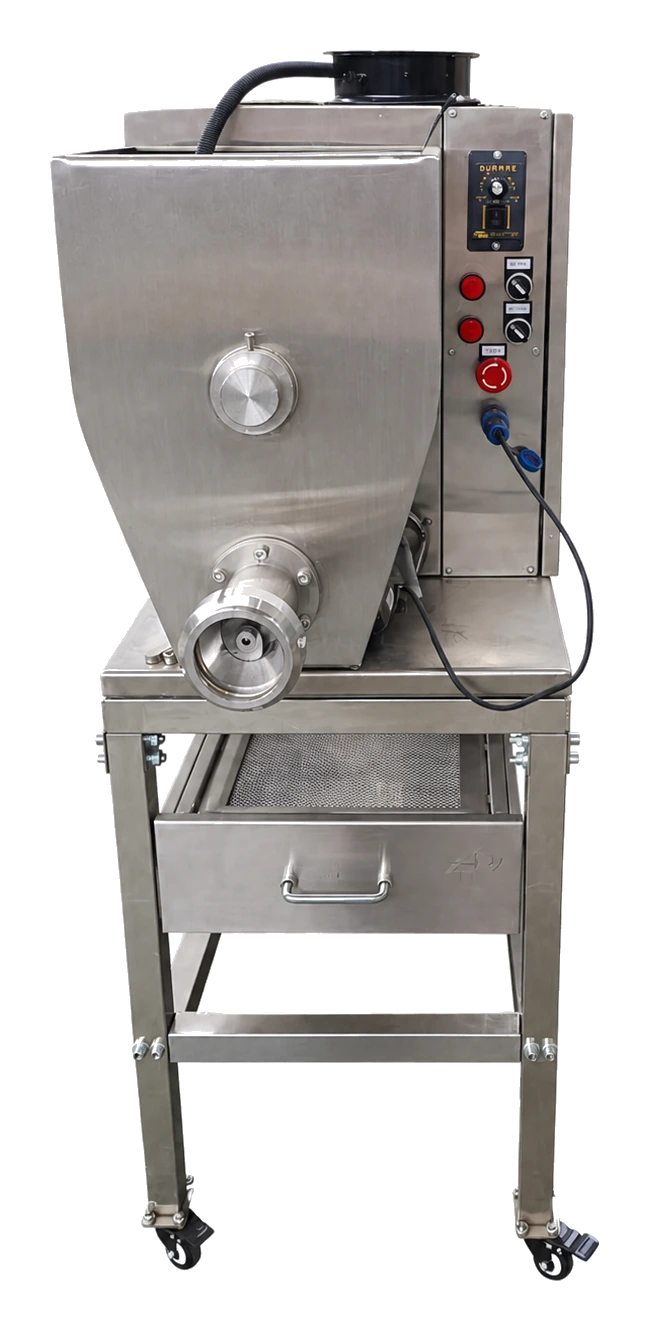
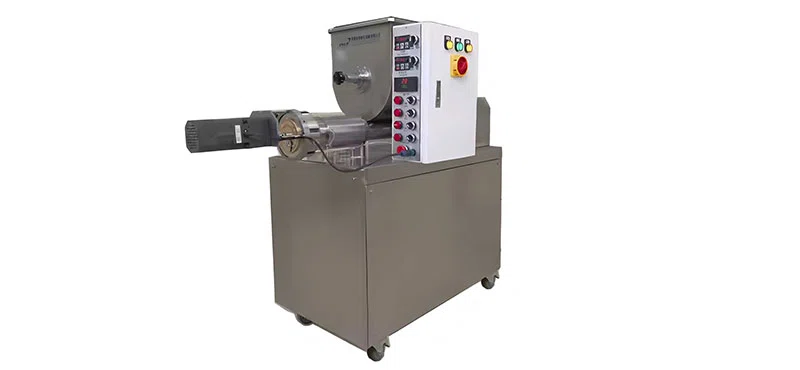
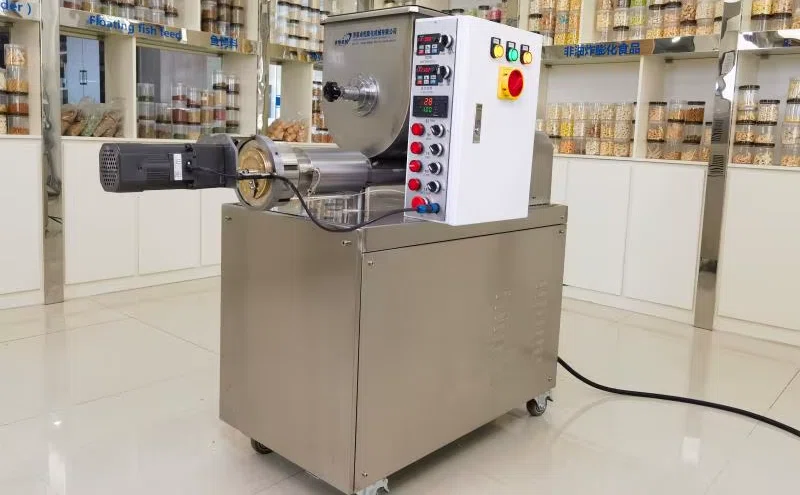
Small pasta workshop equipment should connect forming with the rest of a working day. Define daily orders, product shapes and the steps that follow extrusion before selecting a machine. Zhuoheng offers compact 15 kg/h and 40 kg/h configurations for review, with supporting options evaluated separately. A workshop producing regular batches needs a schedule for mixing, shape changes, collection, cleaning and downstream handling. Share these requirements so the specification and quotation can be considered against your demand, team and available space.
Build the schedule around orders
Record kilograms required by shape on normal and peak days. Group the planned batches and identify the time available for mixing, forming and mold changes. Include collection, cleaning and any hold or rework time in the review.
Evaluate the 40 kg/h option where regular batches require higher forming capacity, and compare it with 15 kg/h where smaller runs dominate. Confirm output using the selected recipe, tooling and operating routine. Nominal capacity should not be multiplied into a guaranteed daily shipment quantity.
Match tooling and downstream handling
Send shape photos, dimensions and cut lengths, along with flour and formula details. Check mold compatibility and the quoted cutting arrangement. Discuss the number of mold sets and the planned frequency of changeovers.
Explain what happens after forming: direct use, further handling, drying, storage or packing. Each stage needs review against the product and sales route. A compact machine specification should identify its functions clearly, while supporting equipment and interfaces are listed separately.
Check the workshop before ordering
Measure the production area and delivery access. Allow for material staging, product collection and safe access to the machine for the agreed operating and cleaning tasks. Request the confirmed footprint, weight and utility requirements for the selected specification.
Provide voltage, phase and frequency. Identify who will operate the machine, manage mold changes and follow the cleaning instructions. Discuss manuals, training arrangements and relevant spare parts so the handover reflects the workshop’s responsibilities.
Ask for a written scope and trial record
Request an itemized quotation for the machine, confirmed tooling, accessories, separate supporting equipment, packing and delivery. Agree which product and configuration will be reviewed in pre-shipment testing and which records will accompany handover. If demand moves beyond compact batches, review the larger equipment requirement as a separate project.
- Normal and peak orders by shape
- Available production hours and changeover plan
- Downstream process and handling requirements
- Power, access, workspace and destination
Questions before you choose
Does a 40 kg/h machine provide a complete workshop process?
The selected machine forms the agreed product. Mixing arrangements and downstream equipment must be identified in the quotation so the full workflow and interfaces can be reviewed.
How should a workshop compare daily output?
Use an agreed trial and a complete batch schedule. Record good product, shape changes, cleaning, handling and downtime, then compare the usable result with normal and peak orders.
Review My Workshop Requirements
Send your target shape, normal and peak daily demand, available production time and destination. We will review the machine and mold scope with you.