A small workshop may buy a compact extruder for several pasta shapes, then discover that the sales plan has no production sequence. Every shape change can involve a mold identity check, remaining dough decision, access and cleaning activity, first-piece review, tray or container reset, and a new batch record. A schedule makes those steps visible before daily demand is promised.
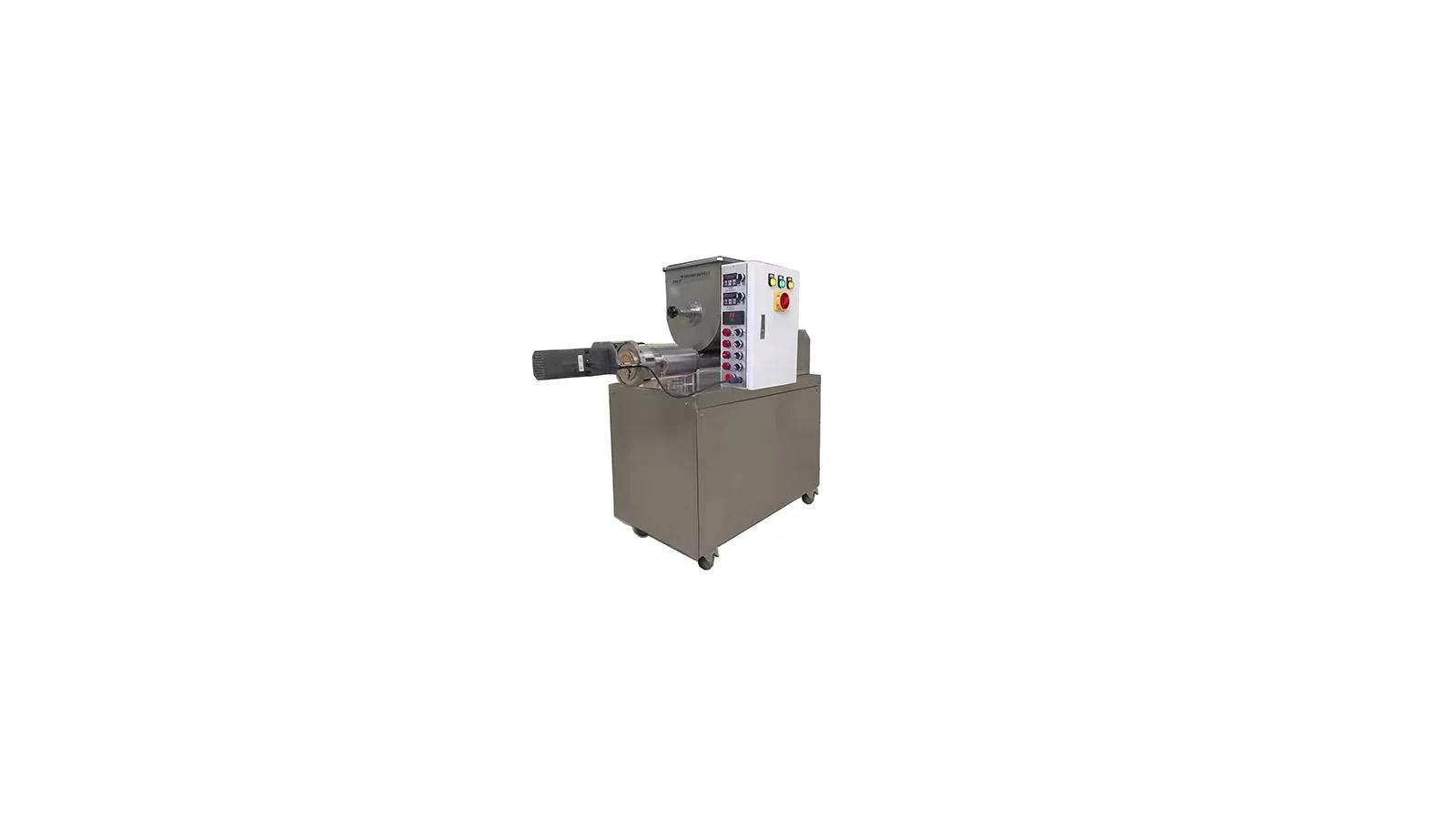
Compact configurations are documented around 15 kg/h and 40 kg/h classes, while the exact machine, molds, utilities, and output remain project-specific. The 15 kg/h compact pasta machine provides the equipment context. This worksheet plans shape sequence; it does not turn a nominal configuration into guaranteed daily production.
Build the Shape Portfolio Before Building the Schedule
List every launch shape with a controlled name, sample or drawing reference, intended product route, formula status, expected order quantity, and required completion date. Separate confirmed launch shapes from future ideas. A schedule based on an unlimited catalog is not usable.
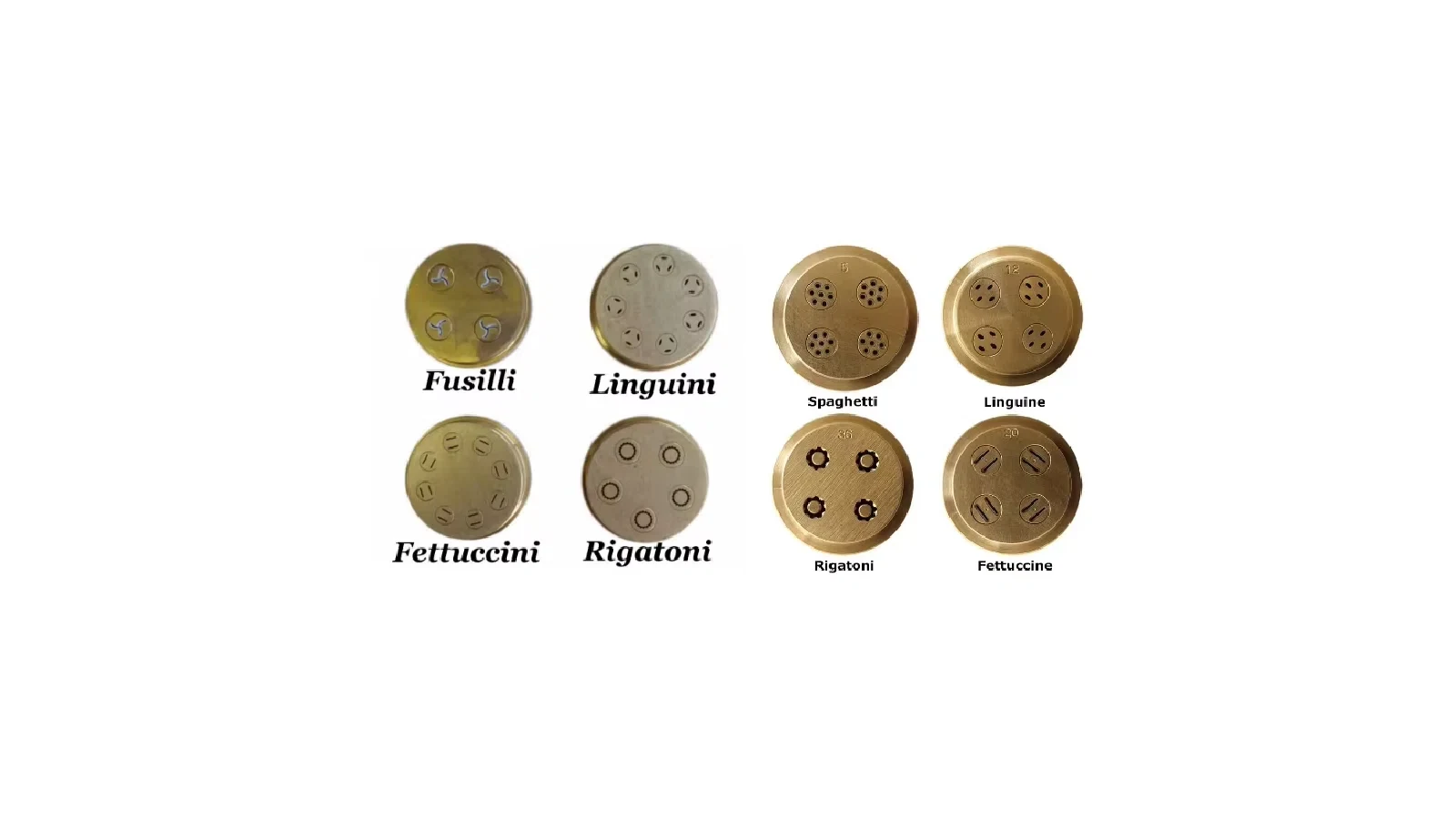
Assign a mold code to each approved shape. Record the machine configuration it belongs to, drawing revision, sample approval status, storage location, and any change parts identified by the supplier. Similar-looking molds still need separate identities when their product geometry or fit differs.
The existing compact pasta mold request guide explains the evidence needed to specify a mold. The schedule begins after those identities exist.
Group Shapes with a Written Basis
Create proposed groups using facts that matter to the workshop: formula family, product route, mold and cutter setup, collection method, drying requirement when applicable, packaging destination, and buyer-defined segregation policy. Record the reason for each group rather than relying on memory.
Grouping can reduce unnecessary changes, but no sequence is universally best. Demand priority, dough condition, product fragility, cleaning policy, drying availability, staffing, and order due dates can change the decision. Use the schedule to expose the tradeoff and leave the final sequence with the responsible production team.
When formula or product identity changes, link the compact pasta formula trial checklist instead of assuming a mold change alone proves the next product is approved.
Define the Mold-Change Record
Every change row needs the outgoing batch, incoming batch, outgoing mold code, incoming mold code, last accepted product time, stop time, authorized procedure reference, parts removed, parts fitted, inspection result, first-piece sample code, restart time, and operator or witness.
The supplier confirms the approved access, isolation, removal, installation, and reassembly method for the selected machine. The buyer's qualified team owns site safety, hygiene, allergen, and regulatory procedures. The equipment manual and local controls remain authoritative.
Record condition with observable language. Note visible material, damage, wrong identification, incomplete seating, or an open inspection item. Avoid declaring an unseen area clean or assigning a root cause without evidence.
Connect Cleaning Scope to the Sequence
The existing compact pasta extruder cleaning review helps buyers inspect access and ownership. In the schedule, give each transition a cleaning class or procedure reference approved for that workshop. A generic duration would be unsupported.
Add an allowed-start condition for the incoming shape. This may include completed inspection, correct mold identity, reassembled guards or covers, released work area, available collection containers, and approved incoming batch. The responsible team defines the actual release criteria.
Track parts and tools. A missing fastener, cutter component, gauge, or mold can turn a planned change into downtime. A pre-change kit list gives the buyer and supplier a concrete point to review during a trial.
Protect Batch Identity After Restart
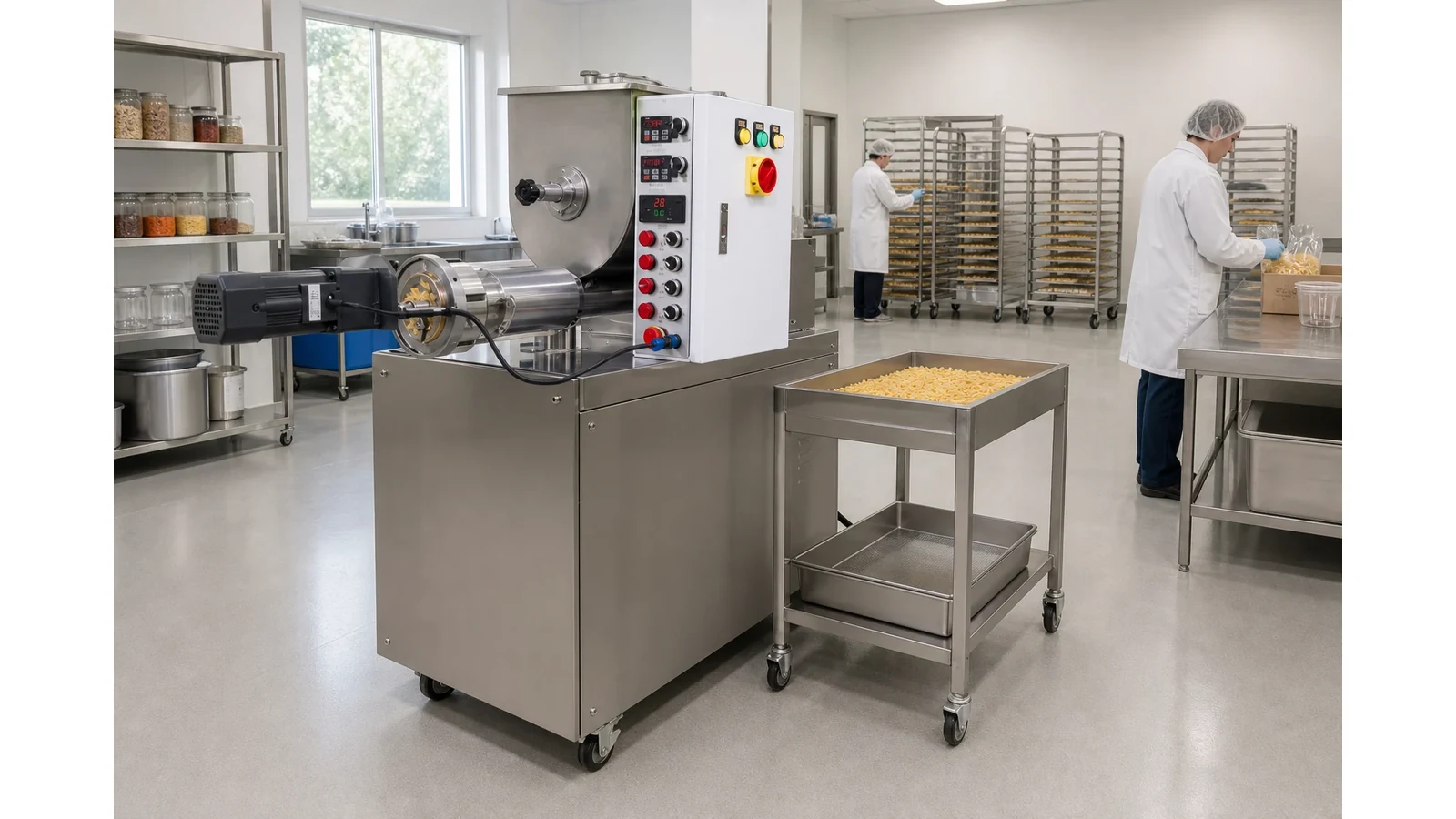
Assign the first collected product to the incoming batch and mold code. Use labeled trays or containers and keep transition product under a separate status until the buyer decides its disposition. The existing fresh pasta batch planning guide provides the wider batch and workspace context.
Review the first product against the approved reference for the chosen shape. Record visible geometry, cut condition where relevant, surface observation, collection behavior, sample time, and decision. Formula, drying, cooking, packaging, or shelf-life approval needs its own competent method where required.
Keep the first accepted sample code in the schedule. This connects the restart time to tangible evidence and prevents a later tray from being mistaken for the approval point.
Estimate Available Production Time Carefully
Build the day from planned batches, mold changes, approved cleaning allowances, inspections, breaks, material preparation, collection, and downstream work. Keep nominal machine class separate from saleable output. Actual output can vary with product, formula, shape, settings, operator practice, stops, and the complete route.
Use witnessed trials to replace estimates. Record batch input, collected product, start and stop events, change activities, open items, and the accepted product point. One trial supports that configuration and product; it is not a universal change-time or output guarantee.
Use a Controlled Schedule Table
| Schedule field | Example record type | Purpose |
|---|---|---|
| Order block | SKU, quantity, due date | Sets production priority |
| Product identity | Formula, route, sample code | Prevents shape-only planning |
| Mold identity | Code and drawing revision | Controls the fitted component |
| Transition | Outgoing and incoming batches | Defines the exact change |
| Procedure | Approved change and cleaning references | Keeps responsibilities visible |
| Approval | First-piece sample, reviewer, time | Marks accepted restart |
| Open item | Owner and target closeout | Stops assumptions entering the plan |
Revise the schedule when demand, mold status, formula, or downstream capacity changes. Keep planned and actual times in separate columns. That comparison helps the workshop improve its own plan without presenting an estimate as a supplier promise.
Related Planning Guides
- Specify each component with the compact pasta mold request guide.
- Review access with the compact pasta extruder cleaning review.
- Connect orders to batches with the fresh pasta batch planning guide.
Prepare the Mold-Schedule Review
Send the shape portfolio, product samples or drawings, mold list, formula status, daily demand, change sequence, workspace, utilities and destination for a schedule review.