Does a Small Pasta Business Need a Dryer?
Decide whether a small pasta business needs drying equipment by comparing made-for-service fresh pasta with packaged dry pasta routes and constraints.
Read guide →Plan compact pasta preparation, extrusion, cutting, fresh handling or drying as one connected process matched to the final product and workspace.
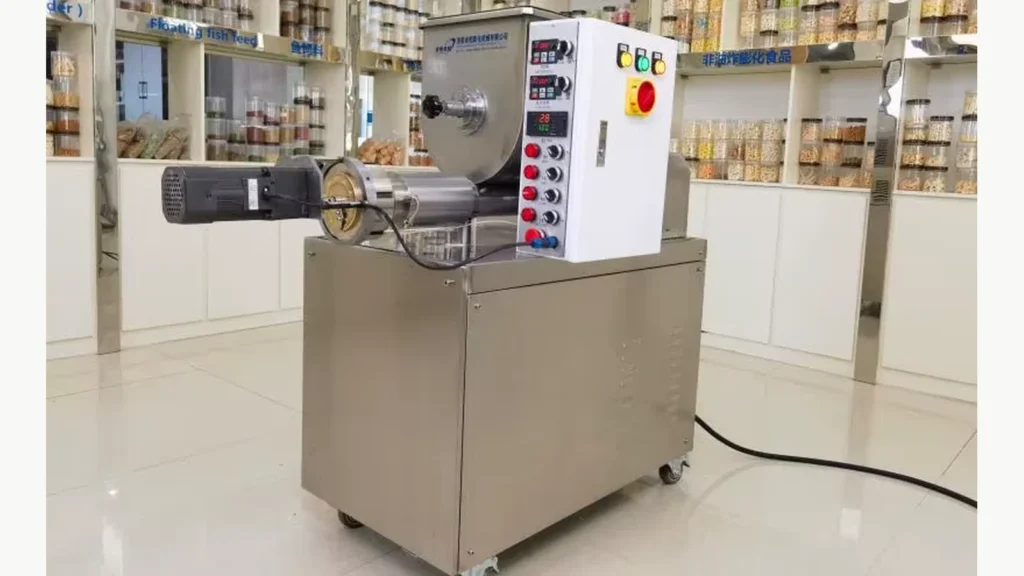
Decide whether a small pasta business needs drying equipment by comparing made-for-service fresh pasta with packaged dry pasta routes and constraints.
Read guide →Begin with the finished product and daily business workflow, then use the guides to compare machine output, molds and downstream process requirements.
Record your target pasta dimensions, flour or semolina recipe, normal and peak daily demand, available production hours, fresh or dry sales route, voltage and workspace. These facts help separate a restaurant-scale batch requirement from regular food-shop or small-factory production.

Fresh restaurant pasta, chilled retail products and packaged dry pasta require different handling after extrusion. Document the formula, shape, wall thickness, target moisture, production window, heating options and packaging plan. This makes it possible to identify whether drying, cooling or other support equipment is needed and to check each unit against the same hourly flow. Food-safety validation and local compliance remain part of the operator’s project planning.
Use the related guides above to prepare a concise project brief, then send the target product, required capacity, voltage and destination to Zhuoheng for technical confirmation.