
ZHUOHENG / COMMERCIAL PASTA EQUIPMENT
Commercial pasta machine applications: start with your customer
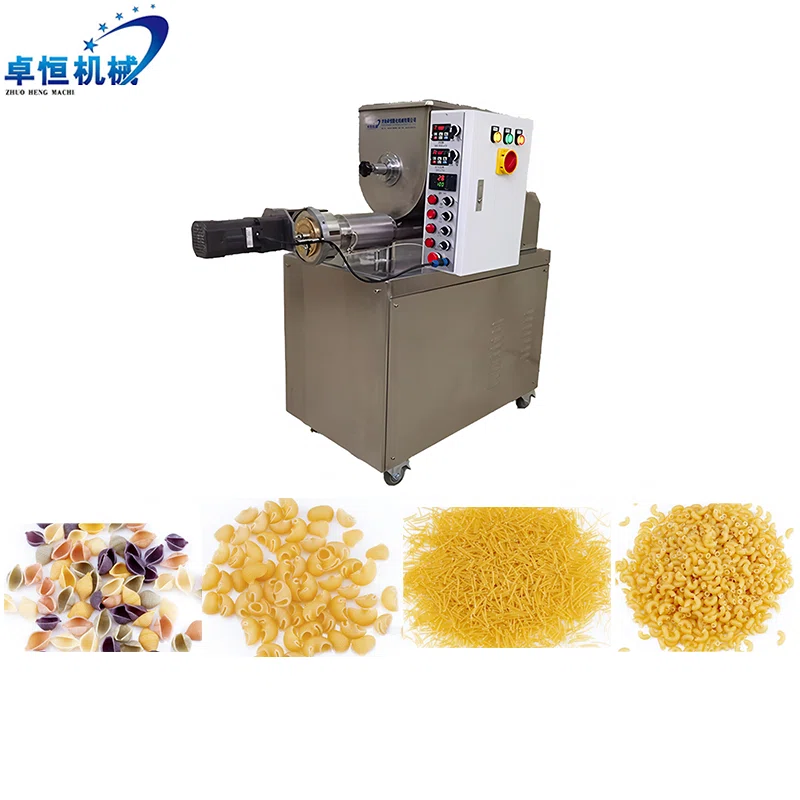
Commercial pasta machine applications begin with the product you plan to sell. A restaurant preparing pasta for service has a different schedule from a shop packing daily batches or a workshop supplying several buyers. Zhuoheng offers 15 kg/h and 40 kg/h compact machine configurations. Choose the route below to identify the questions that affect your specification, molds and quotation. Daily demand, available production time and downstream handling should guide the review before you select a capacity label or supporting equipment.
Choose the route that matches your business
Restaurants: review menu shapes, preparation time and the production window before service.
Food shops: define batch sizes, product assortment and whether sales are direct, chilled or dried.
New pasta brands: start with a clear product brief and a manageable number of shapes while you assess demand.
Small workshops: connect batch production, mold changes and downstream handling in one daily schedule.
Send one practical requirement brief
Share a target product photo, normal and peak daily demand, available production hours, and your intended sales route. Include the destination, local voltage, phase and frequency, and usable workspace. If you have not chosen a capacity, select Not sure when requesting a recommendation.
Machine forming capacity does not establish the final output of a complete working day. Mixing, changeovers, cleaning, product handling and trial results all need review for the selected specification.
Discuss My Application
Send your target shape, normal and peak daily demand, available production time and destination. We will review the machine and mold scope with you.