A compact pasta machine may carry a nominal hourly capacity, but a working day includes more than extrusion. Ingredients must be prepared, batches mixed, shapes cut and handled, products changed, equipment cleaned and finished pasta moved to its next controlled step. A credible batch plan converts sales demand into those tasks before a buyer chooses equipment.
This guide is for restaurants, food shops and small commercial pasta startups considering Zhuoheng's confirmed 15 kg/h or 40 kg/h configurations. It is not a household appliance guide and it does not turn either figure into guaranteed daily packed output.
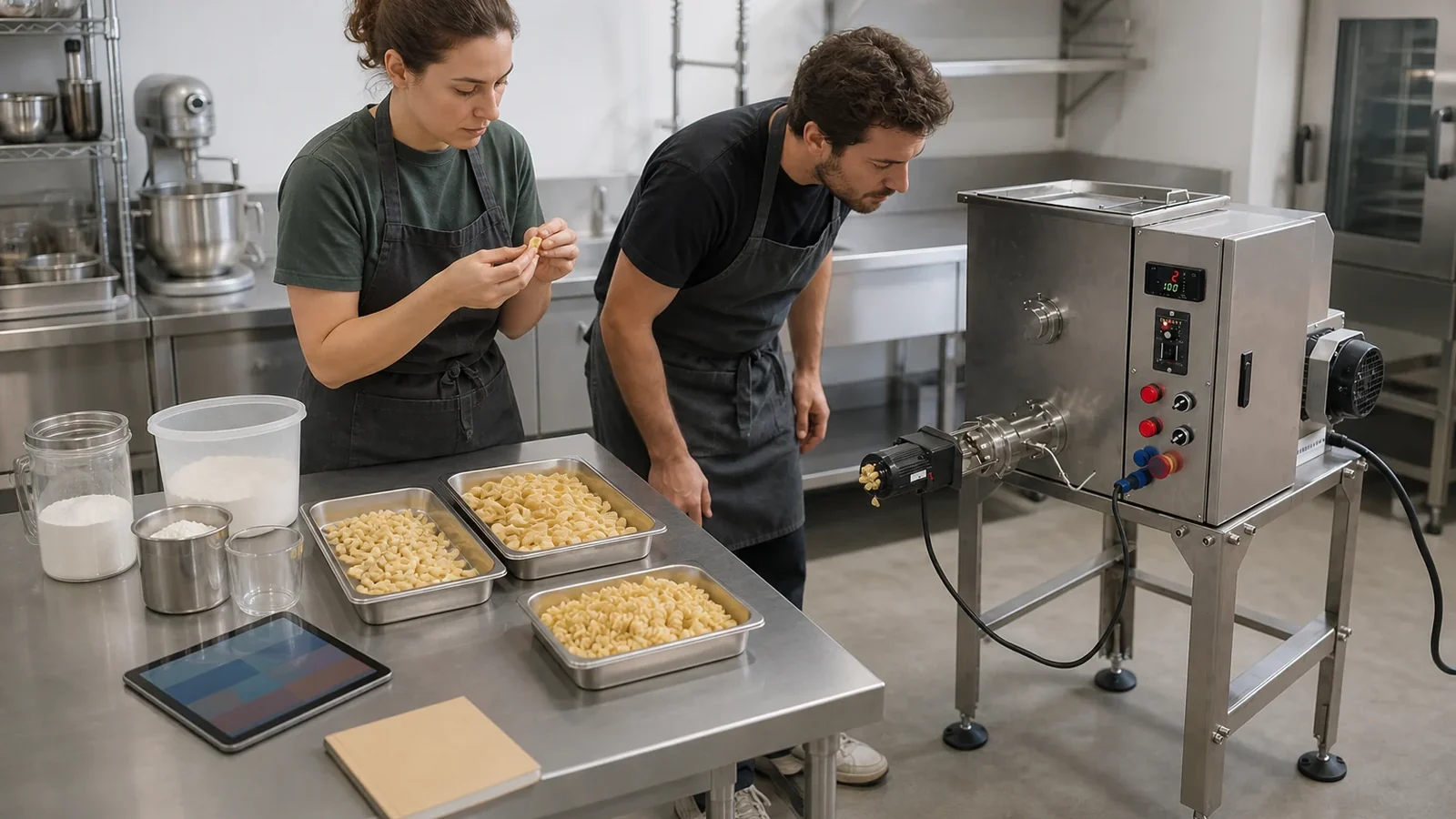
Begin with Saleable Demand, Not Machine Hours
List each product that must be saleable during a normal day or week. Record shape, pack or service quantity, sales window and expected volume. Separate steady products from occasional or promotional items. Then add a reasonable allowance for sampling, startup material and buyer-defined quality rejects based on actual trials rather than an invented percentage.
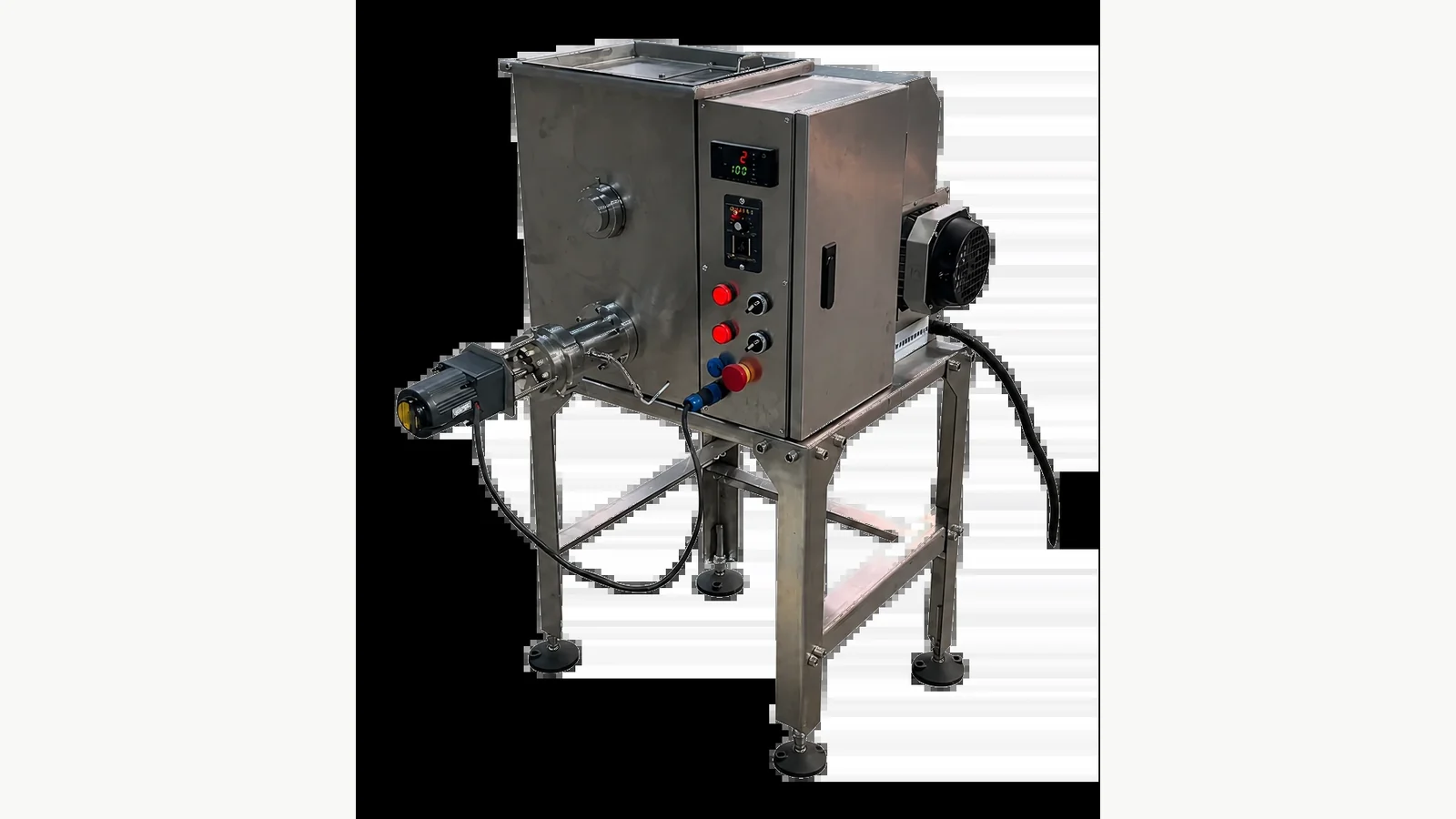
The 15 kg/h compact commercial pasta machine is a confirmed option for restaurants, food shops and small-batch startups. The published rating is a selection reference; actual production depends on material, formula, shape, process conditions and operating arrangement.
Create a simple demand table:
| Product row | Buyer input |
|---|---|
| SKU or menu item | Stable product name and revision |
| Shape | Sample, photo and dimensions |
| Fresh quantity | Required saleable kilograms by service or packing window |
| Formula | Approved or development status |
| Timing | Latest completion time and permitted holding route |
| Change group | Products that can or cannot follow each other under the buyer's controls |
This table exposes whether the project is dominated by one main shape or many short batches. That difference can matter more to the day than a nominal capacity comparison.
Separate Rated Output from Productive Time
Multiplying the machine's hourly figure by the full staff shift does not establish daily output. First divide the day into productive extrusion, material preparation, changeovers, planned cleaning, inspections and other site tasks. Use the buyer's real staffing and workflow assumptions.
The 15 kg/h versus 40 kg/h compact pasta machine guide compares the two confirmed configurations while preserving the need for product-specific review. A higher nominal rate may reduce extrusion time for one stable SKU, but it does not remove mixing, handling, changeovers or downstream limits.
A useful planning formula is:
Required productive extrusion time = planned input for the approved product ÷ measured or confirmed working rate for that product
Use a trial-backed working rate when available. Until then, keep the result as an estimate, show the assumption and avoid presenting it as a guaranteed finished-product rate.
Group Products into Practical Batches
Arrange products in a sequence that the buyer's formula, sanitation and operating rules permit. Similar recipes or shapes may sometimes be grouped, but the buyer's quality team must decide whether that is acceptable. Record every material or shape change that requires a controlled stop, tooling review or cleaning action.
For each planned batch, write:
- product and formula revision;
- target input and saleable quantity;
- selected mold and cutter requirement;
- planned start and required completion time;
- assigned operator and inspection point;
- route after cutting;
- cleaning or changeover requirement;
- traceability or batch ID used by the business.
The exact operating and cleaning sequence must come from the supplied manual, training and the buyer's food-safety system. A planning article cannot replace machine-specific procedures.
Decide What Happens Immediately After Cutting
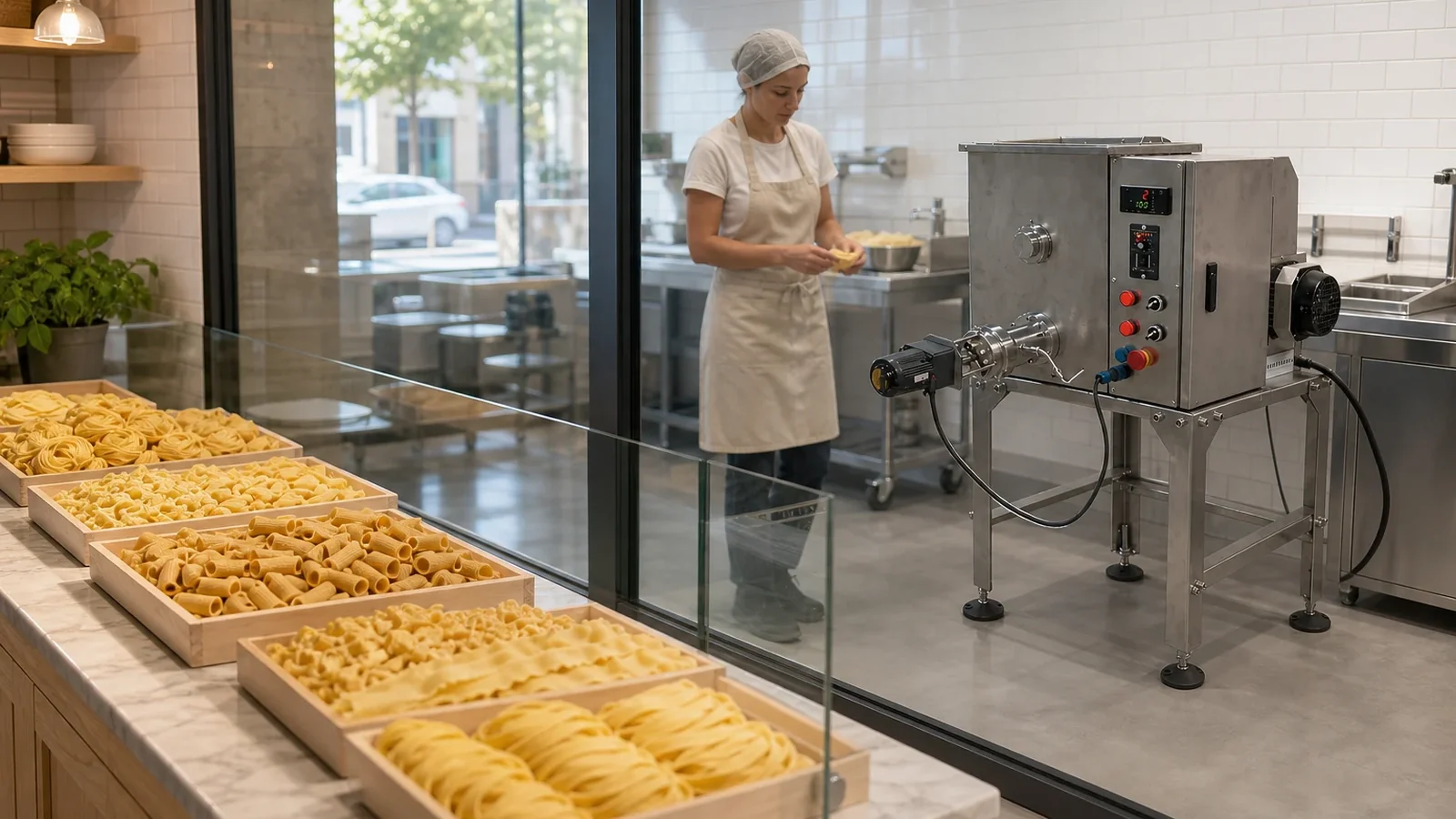
Fresh pasta needs a defined next step. The buyer should state whether the product goes directly to kitchen service, controlled short-term handling, further processing or a separate drying project. Local food-safety, storage and shelf-life decisions require qualified review in the destination market.
The fresh versus packaged-dry pasta route guide explains why drying should not be added or omitted by assumption. If the business intends to sell stable packaged dry pasta, the project is larger than the compact extruder alone and needs drying, cooling, packaging and product-validation scope.
For a fresh route, map tray space, transfer distance, service or packing timing and responsible staff. A universal holding time or shelf-life would be misleading. Those values depend on formula, process, hygiene controls, packaging, temperature and applicable rules.
Check the Bottleneck Around the Machine
The compact extruder is only one production cell. Ingredient weighing, mixing, trays, staff movement, product inspection and downstream handling may limit the schedule. Draw the route on the actual room plan and mark clean access around the machine. Confirm electrical and installation details for the selected configuration before ordering; the 15 kg/h model's full dimensions and power values should not be invented when they are not in the approved source.
Review these questions during planning:
- Can ingredients be staged without blocking finished product flow?
- Is mixing capacity aligned with the intended batch size?
- Are enough identified trays or containers available for each SKU?
- Can staff inspect and transfer product without crossing unsuitable routes?
- Does the downstream step accept the product as quickly as it is produced?
- Is there time and access for the buyer's required cleaning procedure?
Validate the Schedule with a Representative Trial
Before relying on the schedule, test a representative product and record the real sequence. Use the proposed material and formula where practical, the intended mold, the responsible operator and the buyer's defined product checks. Record preparation, productive extrusion, interruptions, changeover and cleanup separately.
Measure saleable output using the buyer's inspection method, not only total material fed. Note which losses or delays are specific to trial setup and which are likely to remain in routine production. One short run does not prove an entire year of output, but it can replace guesses with a documented planning basis.
If the product mix changes, revise the plan. A new formula, more fragile shape, different mold or packaged-dry route may change both productive time and downstream handling.
Batch-Planning Package for a Supplier Review
Send the supplier:
- business type, destination and intended sales route;
- daily and weekly saleable demand by product;
- product samples, photos and shape dimensions;
- raw materials and formula status;
- fresh, direct-use or packaged-dry route;
- operating days, shifts and available staff;
- expected product and mold change sequence;
- available mixing and downstream handling equipment;
- workspace drawing, access and utility information;
- voltage, frequency and phase;
- buyer-defined trial and acceptance checks;
- requested equipment, mold, documentation and training boundary.
Submit the schedule and product evidence through the request-a-quote page so the 15 or 40 kg/h option can be reviewed against the working day. The proposal should distinguish confirmed facts, trial assumptions and site inputs that remain open.