A compact pasta machine formula trial should connect ingredient records, mixing notes, extrusion observations and finished-shape approval. The goal is not to discover one universal pasta recipe. It is to create traceable evidence for the buyer's actual product so machine configuration, molds and downstream handling can be reviewed on the same basis.
This article applies to Zhuoheng's confirmed 15 kg/h and 40 kg/h compact commercial configurations for restaurants, food shops, small workshops and growing small pasta brands. It does not cover household machines or a 100–500 kg/h industrial macaroni line. Exact settings and final results remain dependent on material, formula, shape, process conditions and the selected configuration.
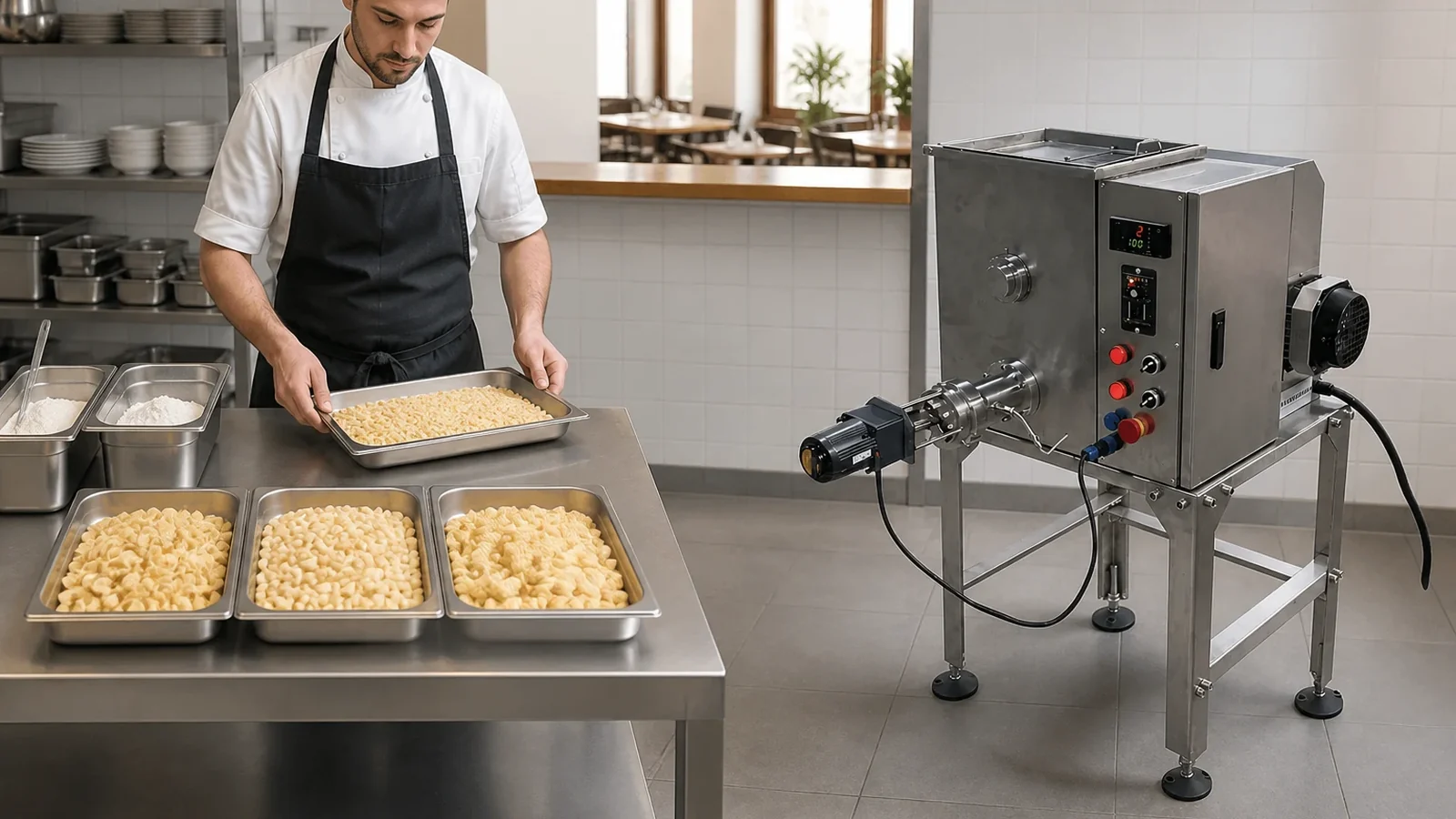
Give Every Test Batch an Identity
Create a batch code before mixing. Link that code to the ingredient list, supplier or lot reference, measured quantities, water or other approved additions, operator, date and intended product shape. If the formula changes, issue a new revision instead of editing the old record after the run.
The 15 kg/h compact commercial pasta machine is a verified equipment option for small commercial production. The capacity label helps define the configuration family, but it does not establish actual output for every formula or shape. A trial record supplies the missing product-specific context.
Where a recipe is confidential, the buyer can keep ownership while sharing the handling information needed for the equipment review. The supplier still needs to know the main material type, receiving condition, addition sequence and whether the formula is fixed, provisional or based on a benchmark sample.
Record Mixing as a Process, Not a Single Number
Write down the order of additions, mixing stages, observed material condition and time references used by the buyer's technical team. Avoid copying a hydration or mixing figure from another product and presenting it as a guaranteed setting. Flour or semolina properties, other ingredients, room conditions and the target shape can change the result.
Use a compact trial sheet:
| Trial field | Record | Purpose |
|---|---|---|
| Batch identity | Code, formula revision and material lots | Keeps samples tied to one test |
| Addition sequence | Ingredient order and measured quantities | Makes the batch repeatable for review |
| Mixed material | Observed condition and hold time if used | Connects mixing to extruder feeding |
| Machine basis | 15 or 40 kg/h configuration under review | Prevents cross-model assumptions |
| Mold and shape | Drawing, sample and mold reference | Defines the product target |
| Downstream route | Fresh use or planned drying and packing | Keeps acceptance aligned with the business plan |
The record should describe what happened, including an unsuccessful attempt. Selective notes that keep only the best sample are weak evidence for later configuration decisions.
Fix the Shape Target Before Extrusion
Name the product, attach photos and add a dimensioned sketch. A term such as “macaroni” can still hide differences in diameter, wall, length and curvature. If several products are planned, use a separate line for each shape and mark which one is the representative trial SKU.
The existing compact pasta mold request guide explains the drawing and sample information needed for mold review. In a formula trial, carry that same shape reference into the batch sheet so the material result and mold target stay connected.
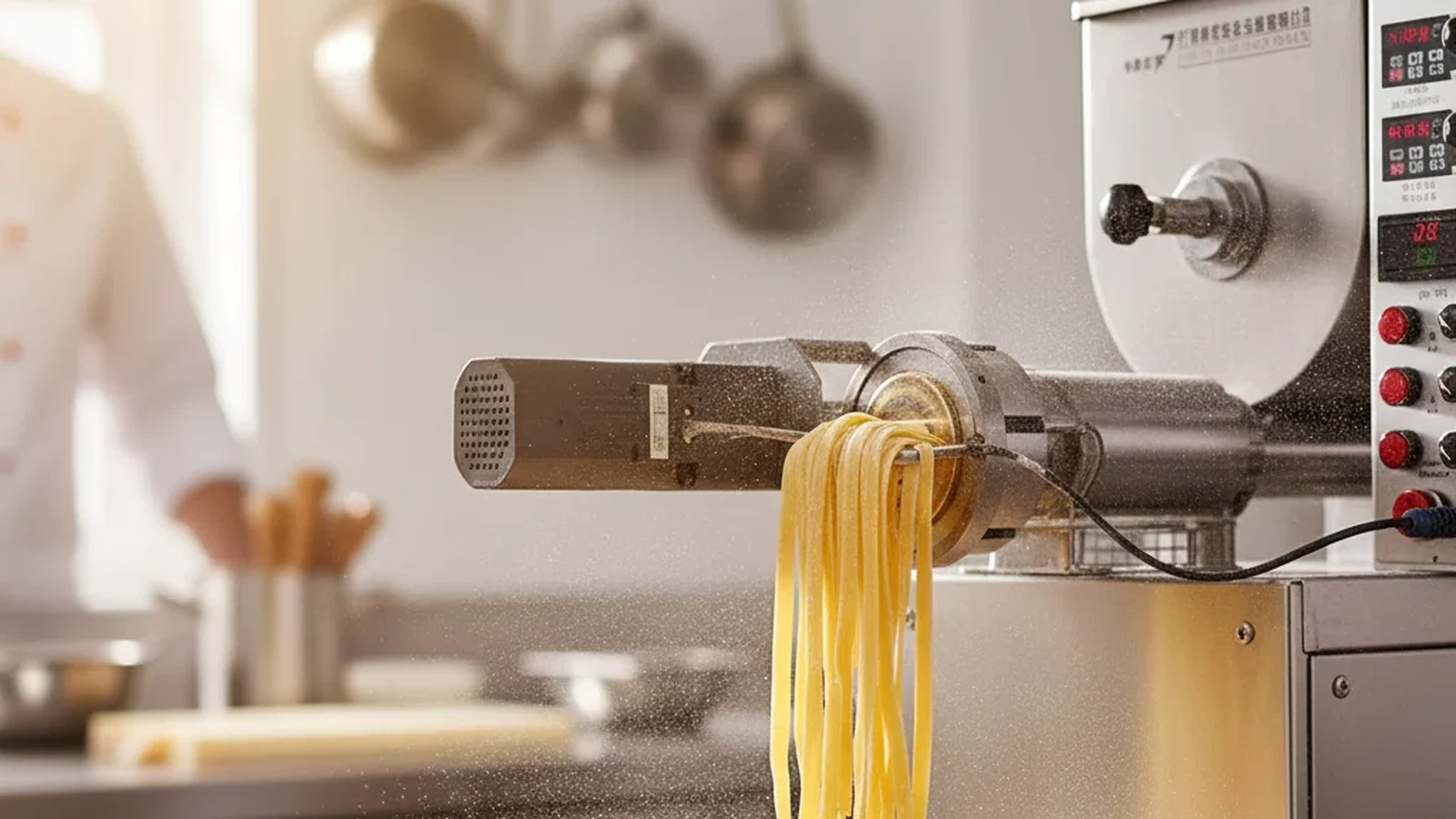
Inspect the emerging product against the agreed target. Depending on the buyer's plan, useful observations may include visible surface, continuity, dimensions, cutting response, tendency to stick and damaged pieces. These are trial observations, not universal specifications unless the parties have agreed a formal acceptance range.
Keep the 15 and 40 kg/h Configurations Distinct
The confirmed 15 and 40 kg/h options serve different demand and workflow situations. A formula that has been demonstrated on one configuration should not be treated as automatic proof for the other. Record which machine, mold and settings were used, then ask the supplier what further confirmation is needed if the production plan changes.
Use the 15 kg/h versus 40 kg/h compact pasta machine guide to choose the configuration discussion around demand, productive hours and downstream constraints. Keep unknown model details, power, dimensions or weight out of the trial record until they are formally confirmed for the quoted machine.
Follow the Product Beyond the Die
Shape approval at the machine outlet is only one part of the buyer's route. State whether the product will be cooked or sold fresh, chilled under the buyer's approved process, or dried and packed. Record tray handling, separation, hold points and the next equipment interface.
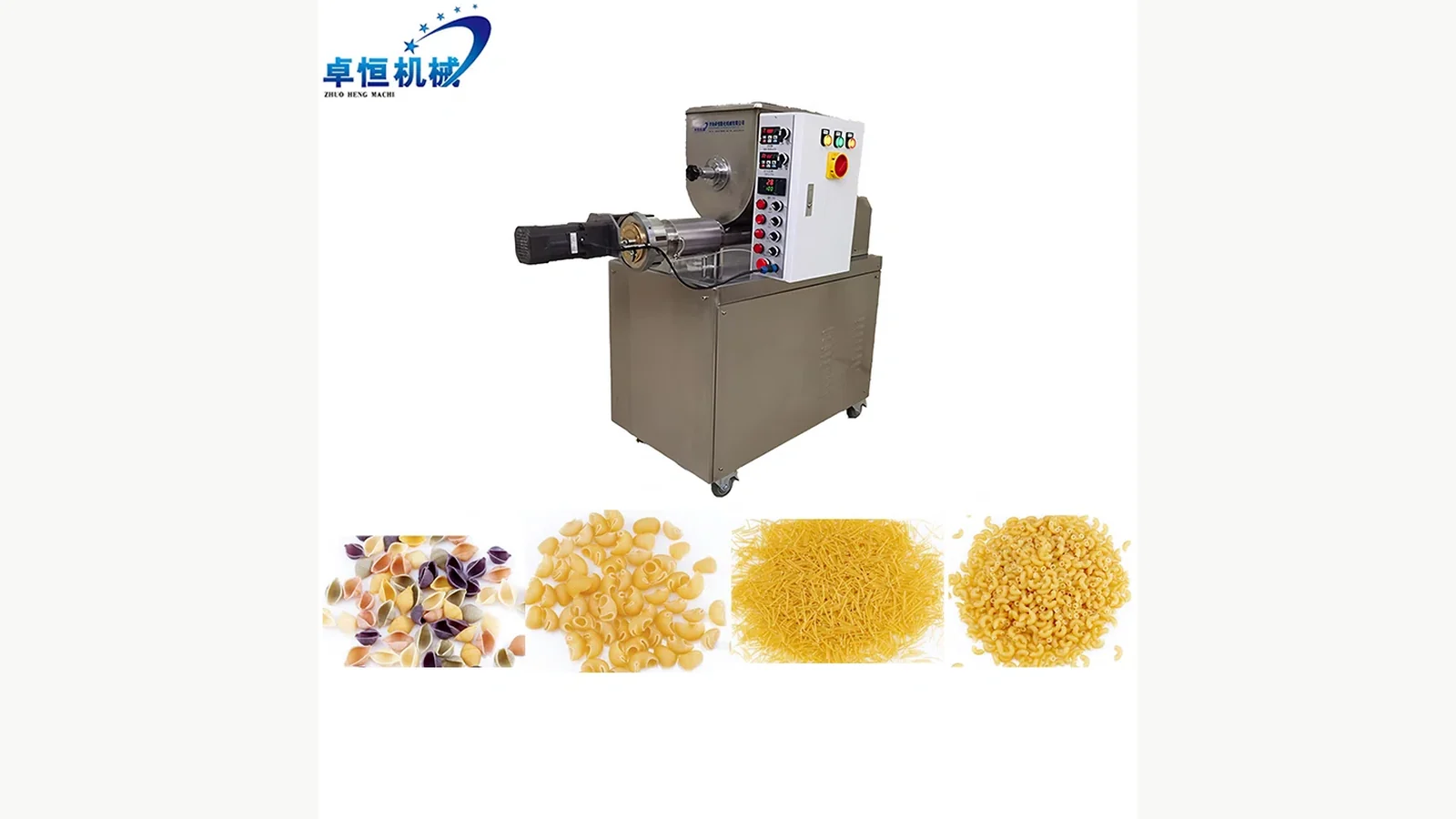
If the business plans packaged dry pasta, include the small pasta business dryer decision guide in the project review. The extruder trial alone cannot establish drying settings, shelf life or packaged-product compliance. Those require their own product, process and food-safety validation.
For a fresh product, the buyer's local food rules, sanitation program, temperature control and shelf-life work remain separate responsibilities. The equipment trial can document the extrusion and handling evidence without overstating the final commercial product.
Compare Samples with an Agreed Method
Before the run, agree which observations will decide whether the sample moves forward. Label samples by batch, machine, mold and time. Use consistent photographs and measurement tools. If cooking performance is part of the buyer's approval, record the method and result separately from the machine observations.
A passed sample should remain tied to its formula revision and test conditions. Future ingredients, shapes or production schedules may require another confirmation. This boundary prevents a successful trial from becoming an unsupported guarantee.
Formula Trial Package to Send for Review
Prepare:
- product name, photos, physical sample and dimensioned target;
- ingredient list, receiving condition and formula revision;
- measured additions and mixing sequence;
- selected 15 or 40 kg/h configuration for review;
- mold reference and planned shape range;
- fresh, chilled or dry downstream route;
- required hourly demand and operating schedule;
- trial batch size and sample-labeling method;
- buyer-defined appearance, dimension and handling checks;
- voltage, frequency, phase, workspace and destination;
- requested documentation, training and supply boundary.
Submit that package through the request-a-quote page for a formula, shape and configuration review. The reply should identify confirmed equipment, open trial questions and the information required before final selection.