A useful compact pasta mold request identifies the finished product precisely and connects it to the selected machine and production route. Send clear photos or a sample, cross-section and dimensions, cut length, raw materials, required output, fresh or dry use, voltage and the number of planned shapes. A product name alone is rarely enough.
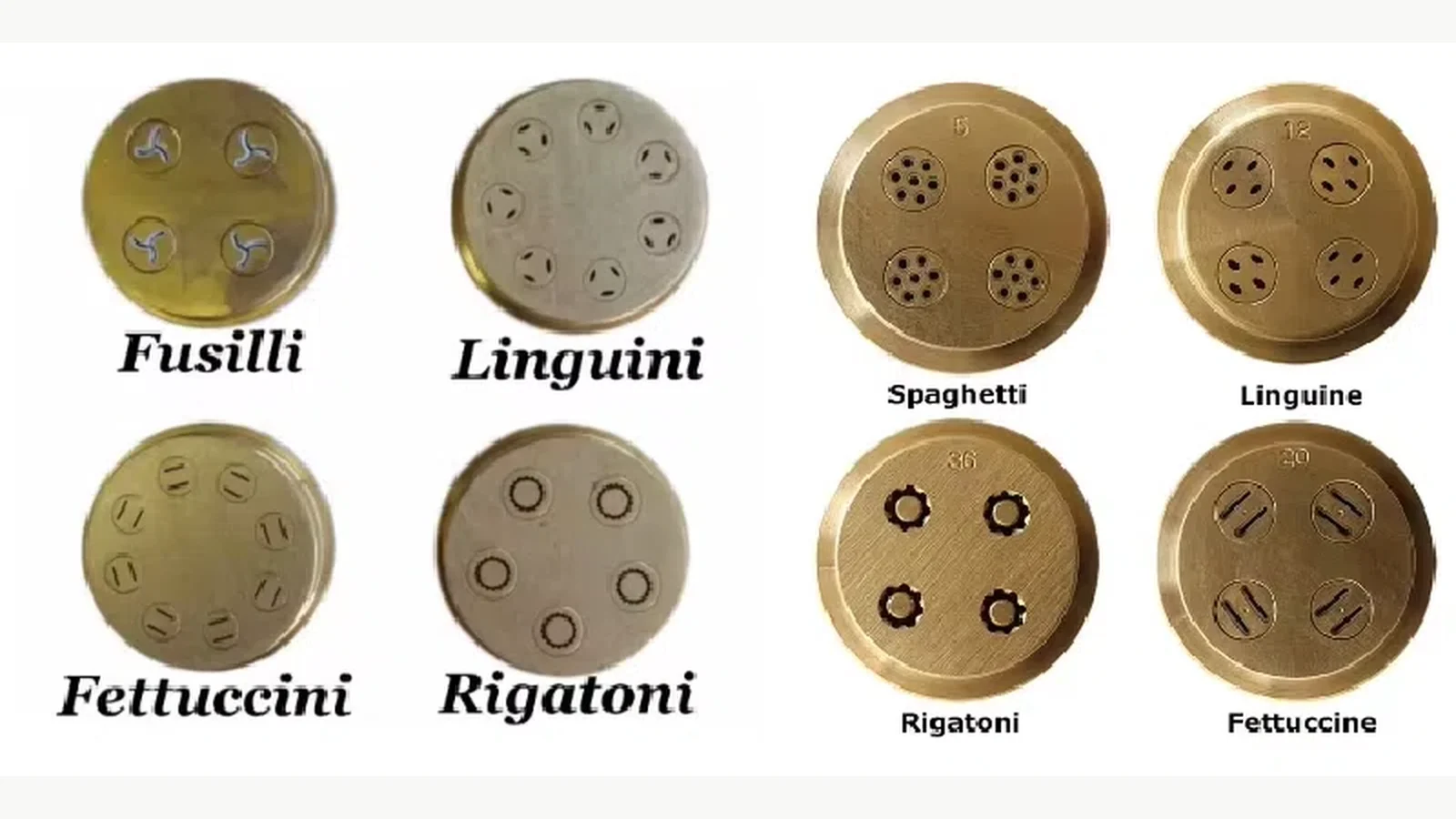
This guide is for Zhuoheng's confirmed 15 kg/h and 40 kg/h commercial compact pasta equipment. It is not a household pasta-machine guide and does not turn a compact extruder into a 100–500 kg/h industrial production line. Every requested profile remains subject to technical confirmation.
Start With Product Evidence, Not a Catalog Name
Similar pasta names can refer to different sizes, walls and cut lengths. Provide front, side and cross-section photos where possible. Place the product beside a ruler or include caliper readings. A physical sample is useful when its condition can be preserved and shipped appropriately.
For a tube or elbow, record outer diameter, inner opening, wall thickness, length and curve. For a screw, shell or ribbon-style direction, add overall width, height and the feature that defines the product. If a buyer has an existing retail product, state whether the goal is to match its general direction or a controlled specification.
The molds and pasta shape options page provides visual directions. It does not guarantee that every shown or requested shape fits every machine, formula and downstream route.
Connect the Mold Request to the Machine
Identify whether the project is based on the 15 kg/h compact pasta machine or the 40 kg/h compact pasta machine. The confirmed 15 kg/h option currently has no approved model, power, dimensions or weight in the knowledge base, so those details must come from the actual quotation.
The public 40 kg/h page includes a ZHK 30–40 kg/h reference. Confirm whether the offered configuration is that exact reference instead of assuming all 40 kg/h quotations share identical details.
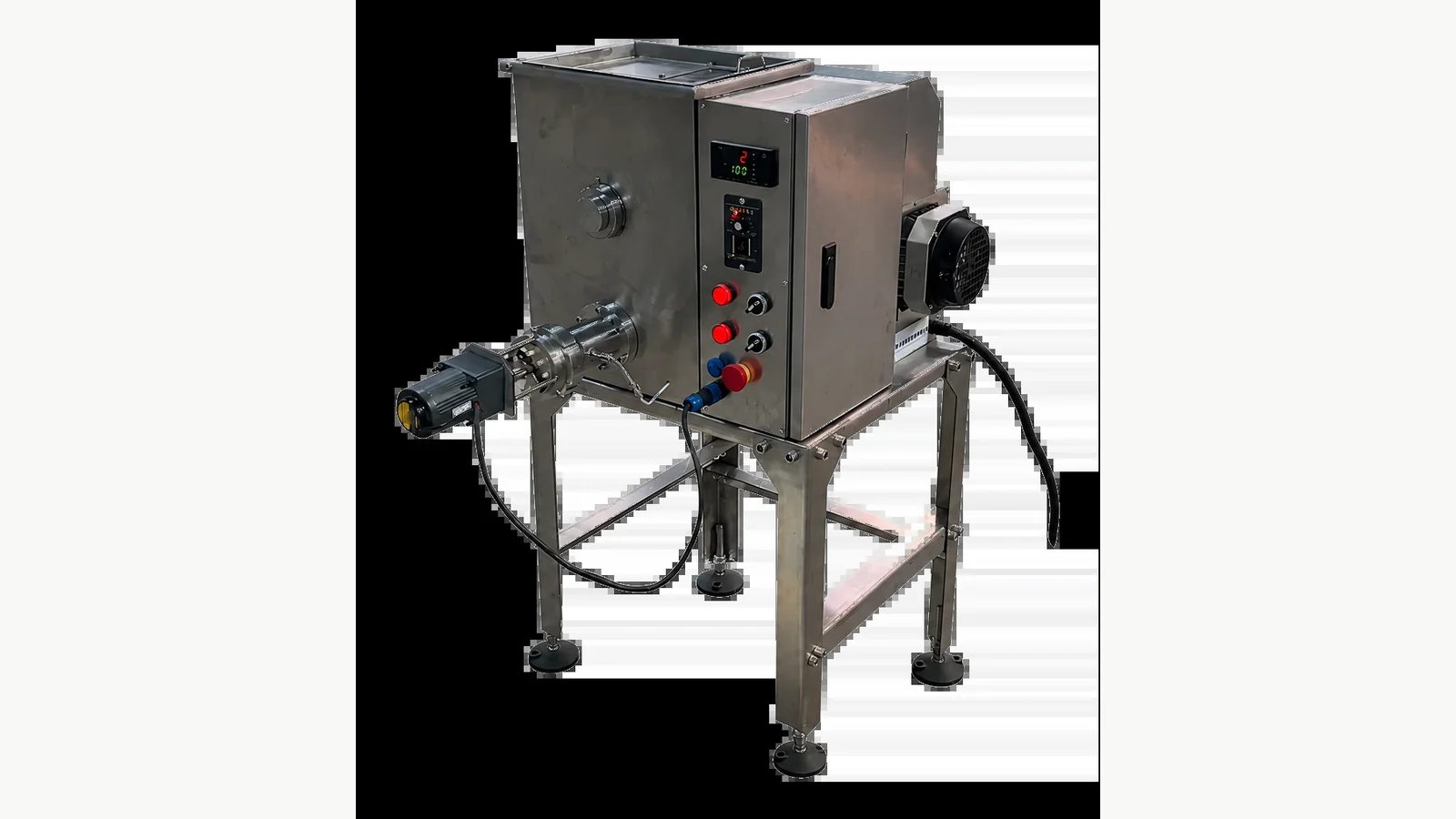
A mold should be checked against the installed or offered machine, not ordered only from a photograph. Include machine identification when requesting replacement or additional tooling.
Separate Profile, Cutting and Product Behavior
The mold forms the basic cross-section. Cutting components establish length or work with the forming method required by the product. Raw material, water addition, formula status, machine settings and downstream handling affect the actual result.
| Request item | What to provide | Decision it supports |
|---|---|---|
| Profile | Cross-section and multi-angle photos | Opening geometry review |
| Dimensions | Width, diameter, wall and tolerance | Tooling feasibility |
| Cut length | Target length and end view | Cutter discussion |
| Material | Flour or semolina and formula status | Forming review |
| Production route | Fresh, chilled or planned dry product | Downstream scope |
| Machine and output | 15 or 40 kg/h reference and schedule | Equipment compatibility |
Avoid asking the mold alone to guarantee texture, cooking quality or drying behavior. Those outcomes require product and process validation.
State Whether the Product Is Fresh or Dry
A compact extruder forms pasta, but the final sales route determines what happens next. A restaurant or food shop may plan production for near-term cooking with its own suitable handling controls. A packaged dry product needs a separate drying, cooling, packing and validation plan.
Use the small pasta business dryer guide to decide which route belongs in the RFQ. Wall thickness, shape and material may affect downstream handling, so the mold list should not be finalized independently from the product route.
Prioritize the First Shape Set
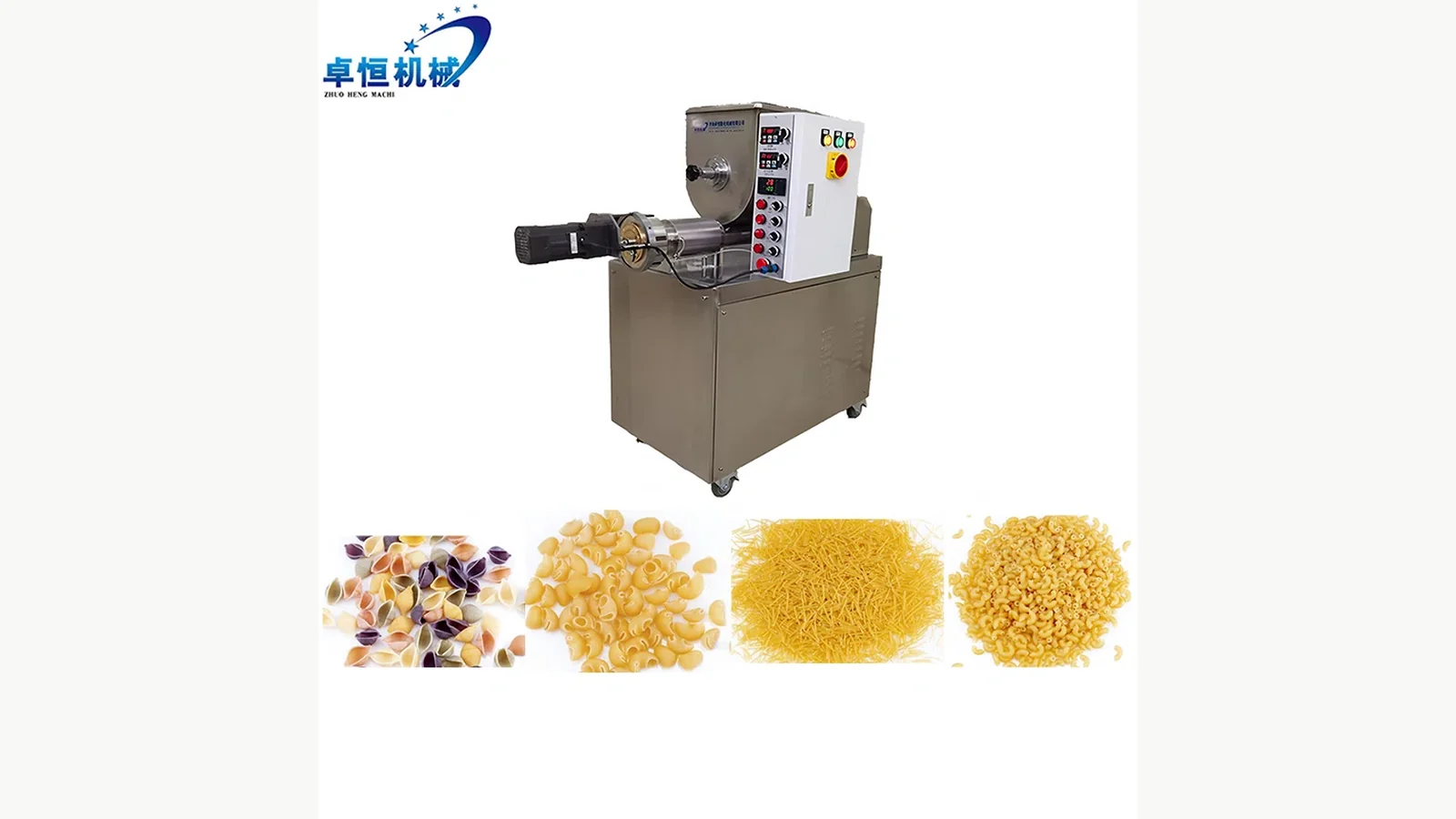
Each additional mold adds setup, cleaning, startup material, storage and production-planning work. Begin with the shapes that support the launch menu or first sales plan. Separate core products from occasional or experimental shapes.
For each shape, estimate normal batch size, production frequency and how often a change is expected. The 15 kg/h versus 40 kg/h comparison explains why daily demand and productive hours matter more than the rated number alone. Frequent changes can make the nominal hourly output a poor estimate of saleable daily production.
Plan Changeover and Cleaning Questions
Ask how the offered mold is identified, installed and removed, which cutter parts belong to it and what access is required for cleaning. The exact procedure comes from the supplied manual and training for the offered equipment.
The buyer's production plan should define how leftover material is handled, how molds are protected in storage and how the first product after a change is checked. Trained personnel and appropriate isolation are required before accessing moving or energized parts.
Define How the First Product Will Be Approved
Visible similarity is only one part of acceptance. Record the dimensions, cut quality and obvious surface defects that will be checked. For a dry-product route, add the responsible party and method for drying, cooling and finished-product evaluation. For a fresh route, add the buyer's handling and local compliance plan.
If a product forms poorly, review the sample, material, formula status, mold, cutter and machine settings together. Avoid treating every result as a tooling issue.
Compact Pasta Mold Request Checklist
Send one complete request containing:
- machine model or the proposed 15/40 kg/h option;
- product name and intended customer use;
- front, side and cross-section photos;
- physical sample or dimensioned drawing where practical;
- width or outer diameter, inner opening, wall and cut length;
- acceptable tolerance if already defined;
- flour or semolina and formula status;
- fresh, chilled or packaged dry route;
- required shapes, priority and change frequency;
- target hourly and daily output;
- voltage, destination and workspace information;
- requested mold, cutter, mixer, dryer or other supply boundary.
The compact pasta machine price guide explains why tooling and auxiliary scope must stay visible in a quotation. Submit the product package through the quote page so the machine, molds and final-product route can be reviewed as one project.