A compact pasta machine may fit a restaurant, food shop, startup, or small production room, but physical size and hourly capacity are only part of the buying decision. The operator also needs a realistic way to inspect product-contact areas, remove retained dough, manage a product change, and return the machine to an approved condition. These questions are best reviewed before purchase, while the machine scope and trial plan can still be compared.
This article is a buyer-side evidence checklist, not a sanitation procedure. Cleaning chemistry, disassembly, lockout, water use, and verification must follow the machine documentation, the buyer's food-safety program, and destination requirements. Zhuoheng's confirmed compact configurations are 15 kg/h and 40 kg/h; detailed 15 kg/h power, dimensions, weight, and every cleaning feature remain project-specific and should be confirmed in the quotation.
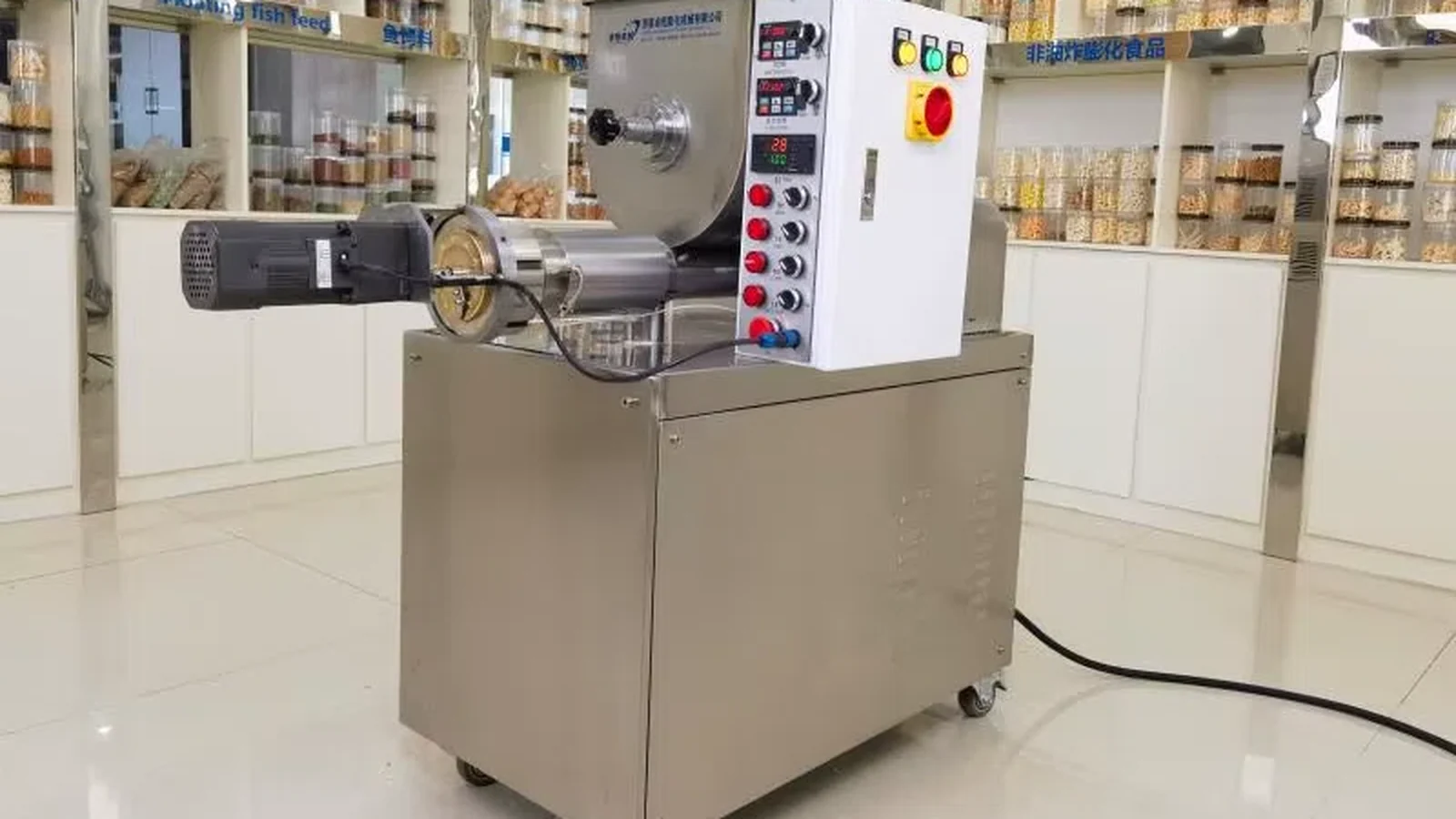
Ask for a product-contact map
Begin with a labeled diagram or photo set showing where ingredients, mixed dough, and formed pasta contact the quoted equipment. The map should follow the product path from loading through mixing, extrusion, die or mold, cutting, and discharge. If optional parts change that path, label them as separate configuration items.
For each area, ask how the operator gains access, what parts are normally removed, which tools are required, and how correct reassembly is checked. Avoid assuming that a photo of one machine version proves the same access on another. Tie every image or demonstration to the model and configuration being quoted.
The 15 kg/h compact pasta machine is the relevant product reference for smaller commercial demand. Buyers considering a larger option can use the same review method and compare it with the 40 kg/h configuration.
Separate routine cleaning from product changeover
A normal end-of-batch clean and a formula or allergen change are different decisions. Write down the buyer's product sequence: for example, one shape with the same formula, several colors, egg and egg-free products, or other ingredient changes. Mark which changes require the buyer's formal allergen-control or sanitation procedure.
Ask the supplier what equipment information is available for routine residue removal, die changes, cutter access, inspection, and reassembly. The supplier can explain the machine, while the buyer must define the validated cleaning method and release criteria for the actual food program.
If several molds are planned, the compact pasta mold request guide helps identify each mold, target shape, and changeover sequence before the trial.
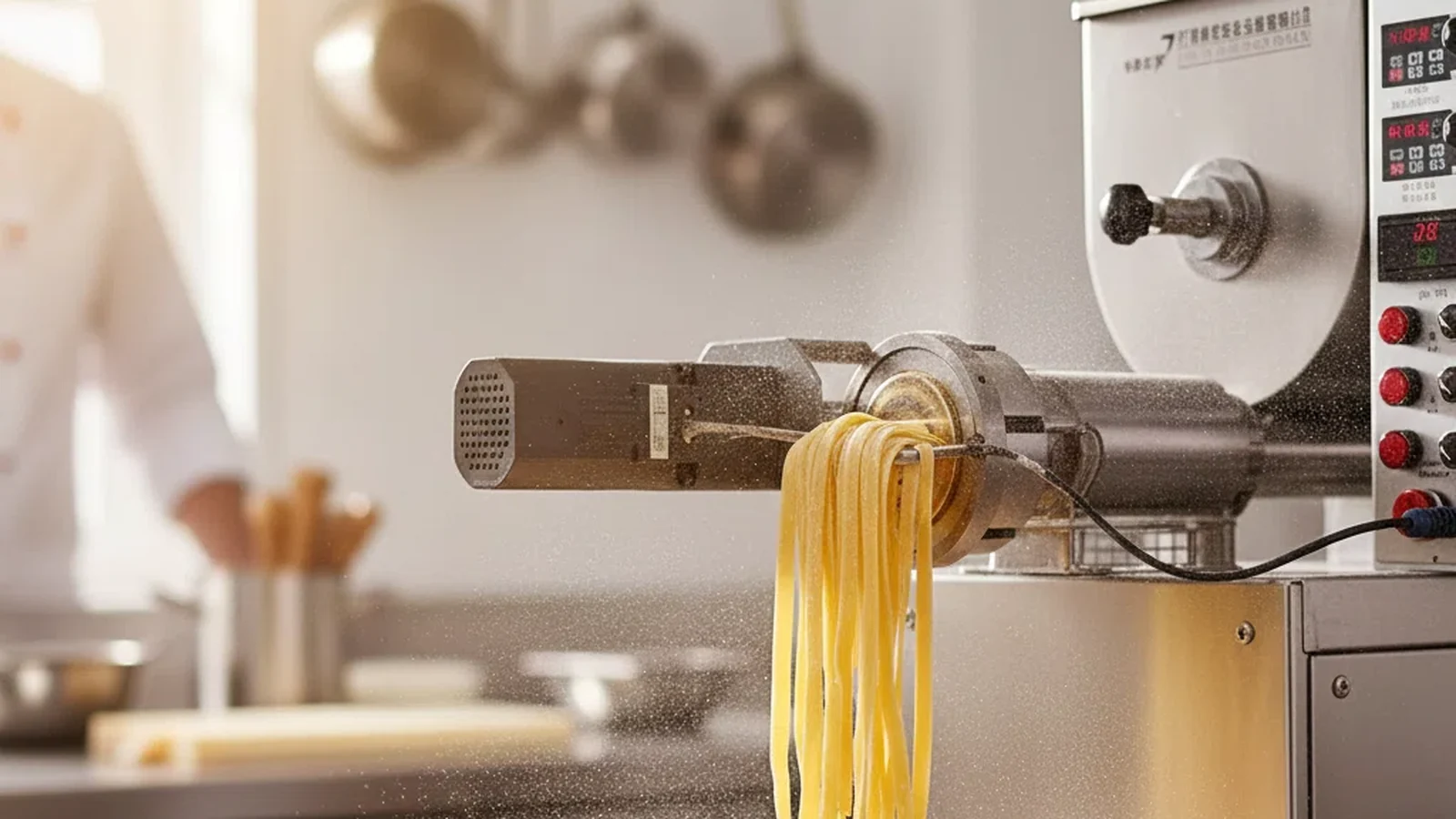
Include cleaning in the representative trial
A machine trial should cover more than the first acceptable pasta sample. Add an agreed shutdown and inspection window after a representative batch. Record the formula revision, batch size, runtime, mold, cutter setup, and product condition before the machine stops. Then record the steps demonstrated by the supplier, access points opened, parts removed, tools used, residue locations, and reassembly checks.
Useful evidence includes:
- dated photographs before and after access is opened;
- a list of removable product-contact parts;
- the tools and storage location required for those parts;
- observed residue points after the defined batch;
- the machine documentation used during the demonstration;
- reassembly and pre-start checks shown by the supplier;
- open questions assigned to either buyer or supplier.
A timed demonstration can help the buyer plan labor, but one trial duration is not a guaranteed cleaning time. Product formula, batch length, operator training, required verification, and the buyer's procedure can all change the result.
Review the workspace around the machine
Cleaning access depends on the room as well as the machine. Measure doorways, final placement area, working clearance, floor and drainage conditions where relevant, ingredient staging, removable-part handling, and a protected area for cleaned components. Confirm the approved water and electrical approach with the supplier and local professionals before installation.
Keep clean parts, tools, ingredients, unfinished product, and packaged product in a deliberate flow. A crowded room can make an otherwise accessible machine difficult to inspect. The fresh pasta batch planning guide helps connect batch size and operating rhythm to trays, worktables, cooling, packing, and staff movement.
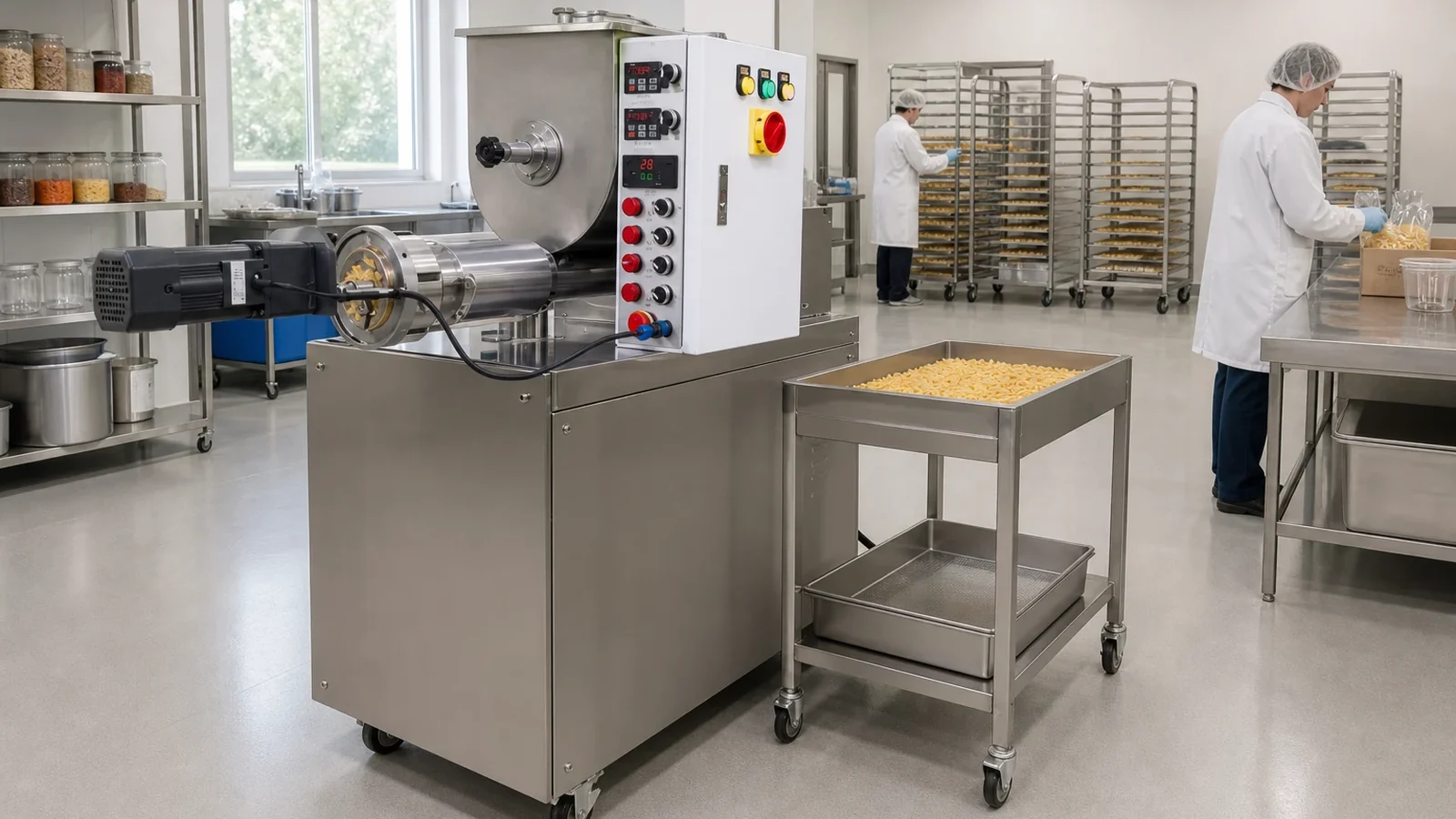
Compare the 15 kg/h and 40 kg/h options on operating fit
The correct capacity is not automatically the machine with the largest nominal output. Compare daily demand, effective operating hours, batch and changeover frequency, labor, downstream handling, and cleaning windows. A smaller configuration may fit a short production program, while a larger one may suit higher demand; the decision still depends on the whole workflow.
Use the 15 kg/h versus 40 kg/h compact pasta machine guide for the capacity comparison. Then add cleaning-access and changeover evidence as a separate line in the decision matrix.
A practical comparison table can score:
- product-contact map supplied;
- access points demonstrated;
- removable parts identified;
- tool requirements listed;
- document and training scope stated;
- workspace clearance reviewed;
- representative changeover included in the trial;
- responsibilities and open items recorded.
Keep claims within the approved evidence
Stainless-steel appearance, a polished surface, or a clean showroom photo is not proof of a complete hygiene outcome. Buyers should ask for model-bound documentation and observe the quoted configuration. Claims such as “easy to clean,” “allergen safe,” or a fixed sanitation time need defined evidence and acceptance conditions.
Likewise, a successful cleaning demonstration does not prove shelf life or food-safety compliance for the buyer's product. Those outcomes require the buyer's validated process, facility controls, storage plan, and applicable regulatory review.
Information to send before quotation
Prepare:
- intended products, ingredients, colors, and allergen profile;
- fresh-use or drying route;
- target shapes and mold list;
- daily demand, operating hours, and batch pattern;
- expected changeover sequence;
- cleaning and verification requirements from the buyer's program;
- workspace photos, measurements, utilities, and destination;
- preferred trial and documentation scope.
Related planning guides
- Does a small pasta business need a dryer?
- Compact pasta formula trial checklist
- Compact pasta machine price and quotation scope
Request a configuration review
Send Zhuoheng your product list, ingredient and allergen profile, mold program, daily demand, changeover sequence, workspace, utilities, destination, and required cleaning demonstration through the compact pasta machine quotation page. The team can then review the 15 kg/h or 40 kg/h configuration and a representative trial around your actual operating plan.