A pre-use record gives a small pasta workshop one visible release point before a batch begins. It confirms which machine configuration, mold, formula revision, workspace, collection containers, and open items belong to that run. It is not a substitute for the manufacturer manual, trained supervision, or the buyer's safety and hygiene procedures.
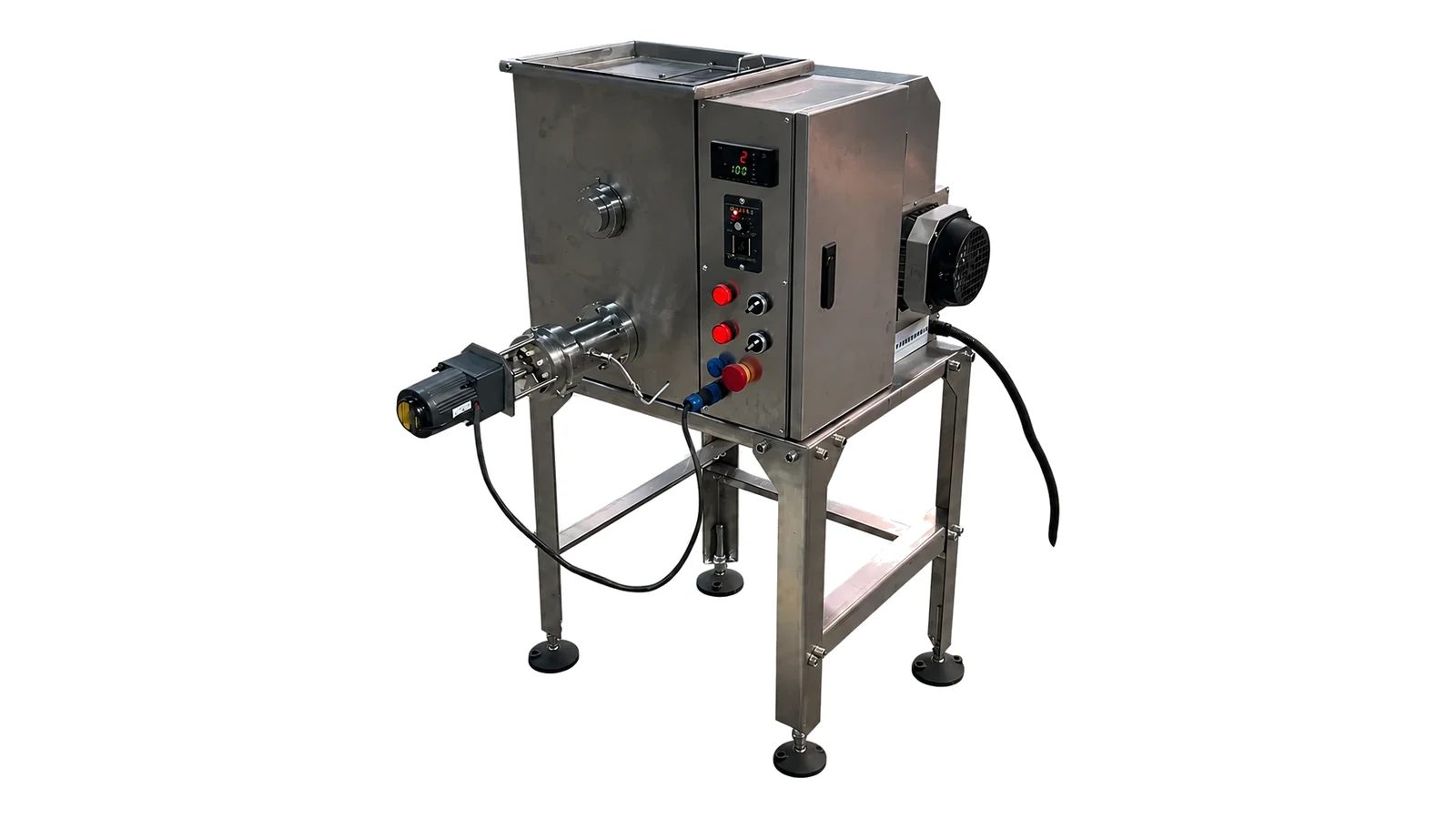
Compact commercial pasta equipment is documented around 15 kg/h and 40 kg/h classes, while exact output remains product- and project-specific. The 15 kg/h compact pasta machine provides the equipment context. The record should identify the actual selected configuration rather than assume both classes share every feature.
Open the Record with the Batch Identity
Assign a batch or work-order code. Record product name, shape, formula revision, mold code, planned route, target quantity, operator, date, and intended collection or downstream destination. Mark any provisional field clearly.
The small pasta workshop installation checklist supports first installation and placement. The pre-use record serves the repeated decision made before a named production batch.
Link the batch to its approved product sample or drawing. If the formula or shape is still under trial, state that status so the run is not mistaken for routine production.
Confirm the Machine and Utility Identity
Record the machine tag, configuration, visible nameplate, approved electrical supply, and installed location. Compare the available supply with the approved machine documentation. Any mismatch stays open for qualified review.
Check visible external condition using neutral language. Record loose, missing, damaged, leaking, obstructed, or unidentified items only when observed. Safe isolation, access, guard verification, and technical inspection follow the equipment manual and site rules.
Utilities and connections vary by configuration. The record should reference the approved schedule rather than copy a value from another machine or an old quotation.
Give Cleaning Release Its Own Status
The existing compact pasta extruder cleaning review helps a buyer assess access before purchase. In daily use, reference the approved cleaning record and identify the person authorized to release the machine.
Record the previous product, cleaning procedure reference, completion time, inspection result, and unresolved condition. The pre-use sheet should show whether release is complete, conditional, or blocked. It should not invent a universal cleaning method or duration.
Verify the Mold and Change Components
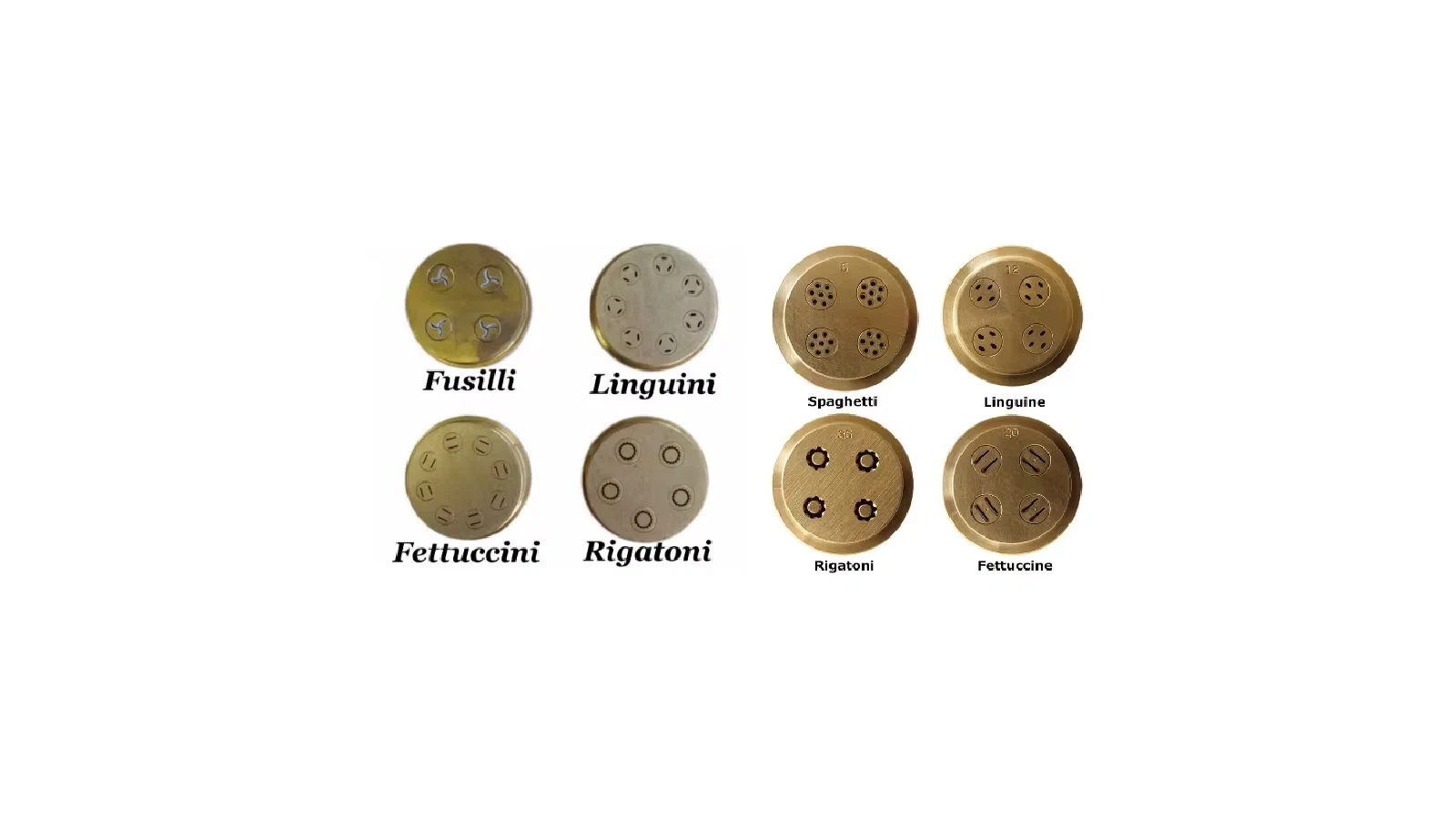
Match the mold code to the batch, drawing, and approved sample. Record visible condition, correct storage identity, required cutter or change components, and installation confirmation under the supplier-approved procedure.
The existing compact pasta mold request guide defines the specification evidence. The pre-use record confirms that the selected component belongs to today's batch.
Keep removed molds and small parts labeled. A similar shape name is not enough when drawings, openings, or machine fit differ.
Prepare Ingredients and Collection as Separate Boundaries
Record ingredient or dough batch identity, formula status, container labels, and the point where material is released to the machine. Protected formula details can remain in a controlled production record while the pre-use sheet references its revision.
Prepare labeled trays, containers, racks, or downstream equipment for the planned product route. Record how the first product will be identified and where transition material or trial samples will be held.
The existing fresh pasta batch planning guide connects this readiness check to demand, batch size, collection, and downstream timing.
Check the Workspace and Handoff Path
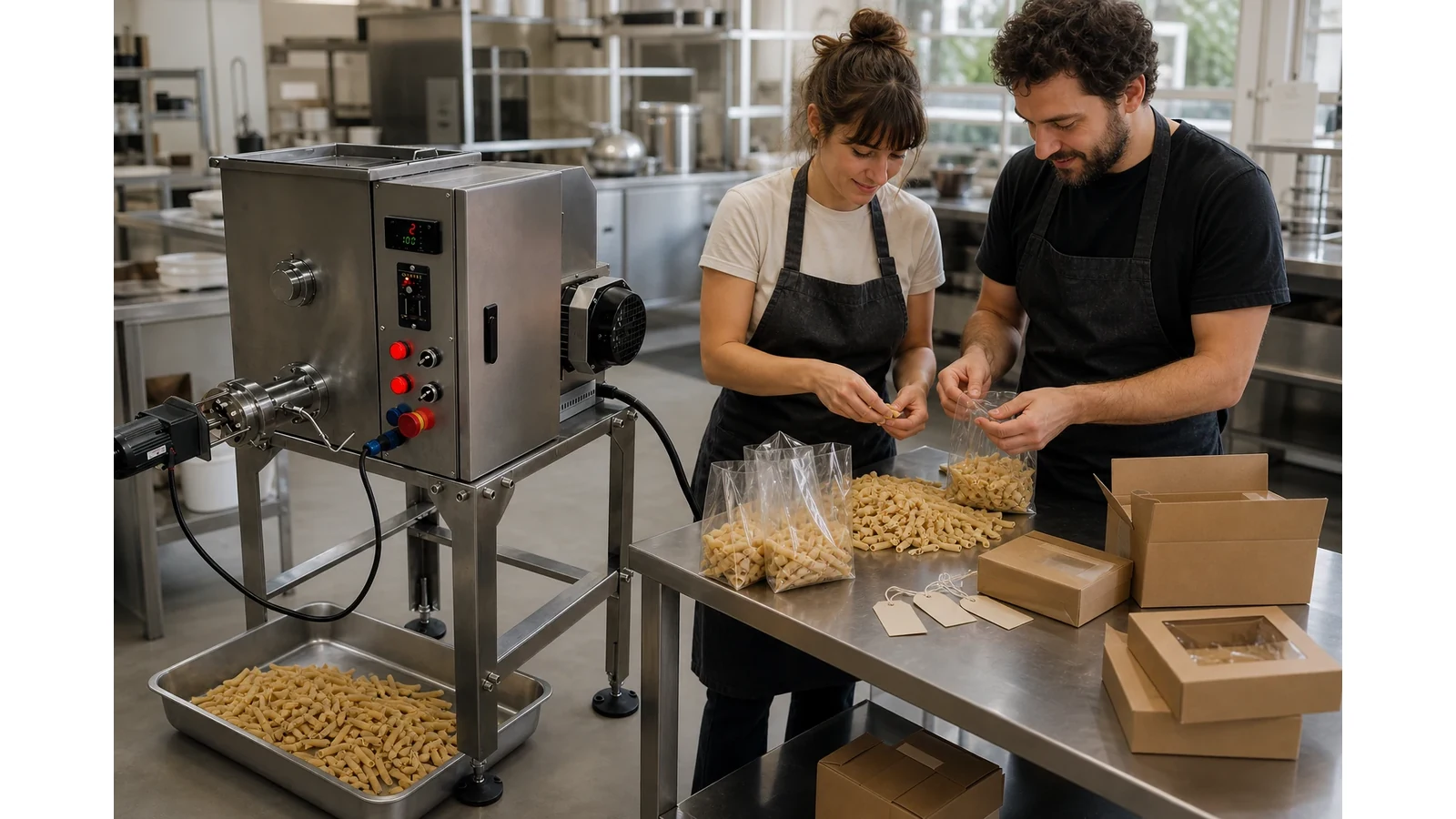
Record clear access around the machine, dry and stable placement as required by the approved installation, lighting, collection position, labeled work zones, and an unobstructed product path. Note any temporary item that changes access or collection.
Downstream plans differ for fresh use, direct service, refrigerated handling, drying, or packing. The record names the intended route without claiming that one setup fits every product or local requirement.
Define the Release Decision
Use three statuses: ready, conditionally ready with a named limitation, or blocked. Every conditional or blocked row needs an owner and closeout evidence. The person authorized by the buyer makes the release decision.
A short first-piece observation can be linked after startup: time, sample code, visible shape, cut condition, collection behavior, and reviewer. Process settings and results stay with the named batch and cannot guarantee future output.
At the end of the check, preserve the signed revision with the batch record. If an item changes after release, record who reopened the check, what changed, and which evidence supported the new decision. This keeps a verbal adjustment from erasing the original readiness status.
The same form can be reused, but each batch receives its own date, machine identity, and open-item status. A copied form with yesterday's mold, formula, or collection route is not a valid release record for today's product.
| Pre-use field | Evidence | Release question |
|---|---|---|
| Batch | Product, formula, shape, target, route | Is the run identity complete? |
| Machine | Tag, configuration, plate, approved utility | Is the correct machine documented? |
| Cleaning | Procedure reference, time, inspection, release | Is prior-product status closed? |
| Mold | Code, drawing, visible condition, change parts | Does it match the batch? |
| Materials | Lot or batch identity and status | Is input control ready? |
| Collection | Labeled trays and downstream route | Is product identity protected? |
| Open items | Condition, owner, evidence, deadline | Can the authorized person release? |
Related Planning Guides
- Review access with the compact pasta extruder cleaning review.
- Control shape components with the compact pasta mold request guide.
- Connect readiness with demand using the fresh pasta batch planning guide.
Prepare the Readiness-Record Review
Send the selected configuration, batch and formula status, mold list, workspace plan, utilities, collection route, daily demand and destination for a readiness-record review.